Built for athletes.
Built to last.
SPORTS AND PERFORMANCE PHYSIOTHERAPY

Whether you’ve just been told you’ve torn your ACL, you’re nursing a persistent hamstring that keeps coming back, or you’re preparing for the biggest season of your career — you’ve come to the right place.
Our team includes Australian Physiotherapy Association (APA) titled Physiotherapists and APA Sports Members — many holding a Masters of Physiotherapy — with Level 1 and Level 2 Sport Physiotherapy qualifications. Most are dual-qualified, combining Physiotherapy with Exercise Physiology or Strength and Conditioning.
We work with athletes at every level, from weekend competitors to elite and professional sportspeople, and we understand what it actually takes to recover — not just physically, but with the confidence to perform again.
In practice, that means when you come in with an injury, your GP has flagged potential surgery or physiotherapy; you’re being assessed by someone who works with those presentations daily.
That depth means you get clinical expertise and performance science in one place, and a standard of care that goes well beyond what most physiotherapy practices can offer. You shouldn’t need to see three separate practitioners to get that outcome.
Our clinicians work with elite sporting organisations including the Gold Coast Suns (AFL), Souths Rugby Union Club, and Gold Coast Basketball — bringing the same high-performance standards to every athlete we work with.
FROM INJURY TO OUTPERFORMING
Our approach follows four interconnected stages of care. Whether you’re starting with us after an injury or coming in proactively, every stage is designed to connect to the next — so you’re not just recovering, you’re progressing.
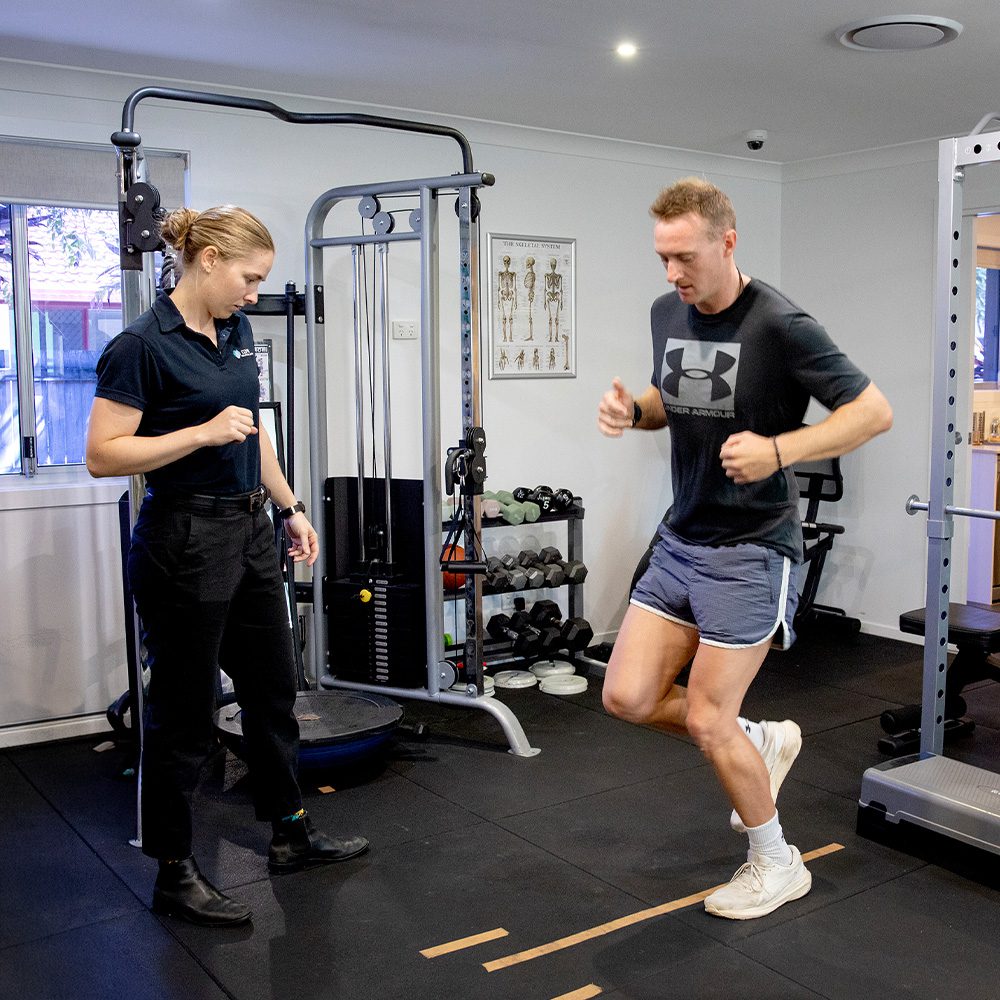
01 / PREVENTION — Finding Problems Before They Find You
The most common question we hear from athletes who’ve had a serious injury is: “could we have seen that coming?” In many cases — yes. A well-designed screening process can identify the biomechanical patterns, strength imbalances, and movement faults that put you at significantly higher risk of injury before anything actually tears or strains.
We conduct comprehensive physical assessments looking at things like hip and ankle mobility, how your knee tracks during single-leg loading, the symmetry of strength between your left and right legs, and your landing mechanics. These are the kinds of findings that often precede ACL injuries, hamstring tears, and stress fractures — and identifying them early gives us the chance to address them first.

WHAT WE’RE LOOKING FOR Side-to-side strength asymmetry · Knee control during landing and cutting · Hip and ankle range of motion deficits · Shoulder rotation imbalance in throwing or overhead athletes · Reactive strength and tendon load tolerance · Movement compensations that increase spinal or joint stress
02 / PERFORMANCE — Raising Your Ceiling
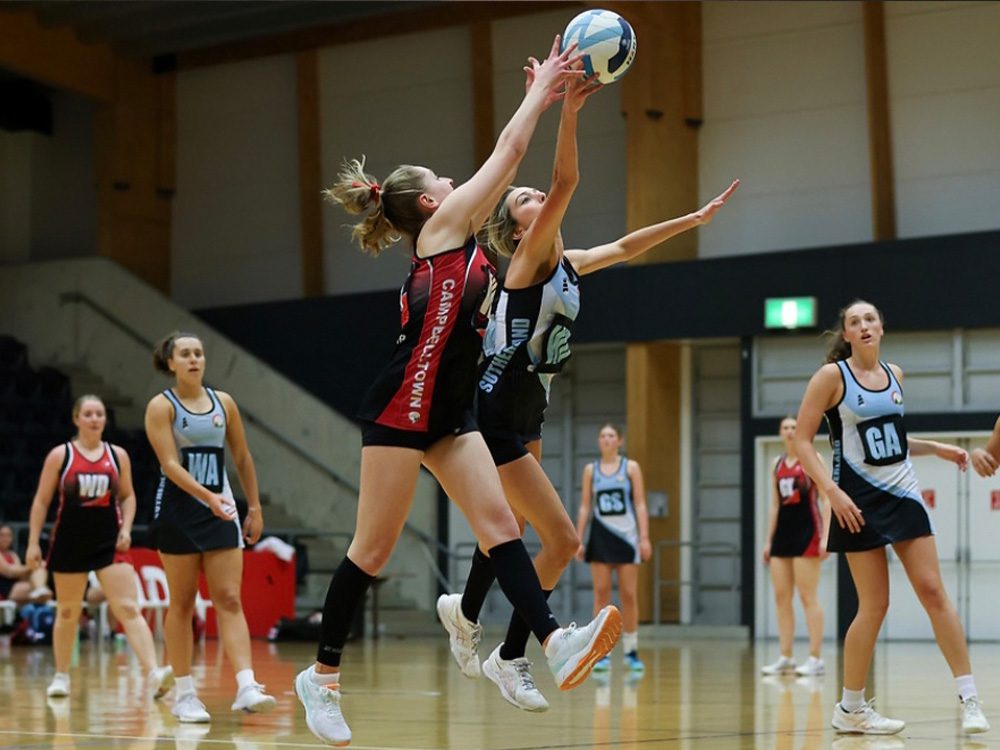
If you’ve been told by a coach that you need to be stronger, faster, or more explosive — or if you’ve hit a ceiling in your training that generic gym programming hasn’t been able to break through — this is where we come in. Performance work at Core is individually designed, sport-specific, and underpinned by exercise science rather than guesswork.
We look at the physical demands of your sport and position, identify the gaps between where you are and where you need to be, and build programs that target those gaps directly. That might mean eccentric hamstring loading to reduce your injury risk and improve your sprinting, structured plyometric progressions to develop explosive power, or conditioning designed around your competition calendar so you peak when it matters most.
WHAT WE’RE LOOKING FOR Side-to-side strength asymmetry · Knee control during landing and cutting · Hip and ankle range of motion deficits · Shoulder rotation imbalance in throwing or overhead athletes · Reactive strength and tendon load tolerance · Movement compensations that increase spinal or joint stress
03 / REHABILITATION — Getting You Back, the Right Way (or Structured, Progressive, Safe?)
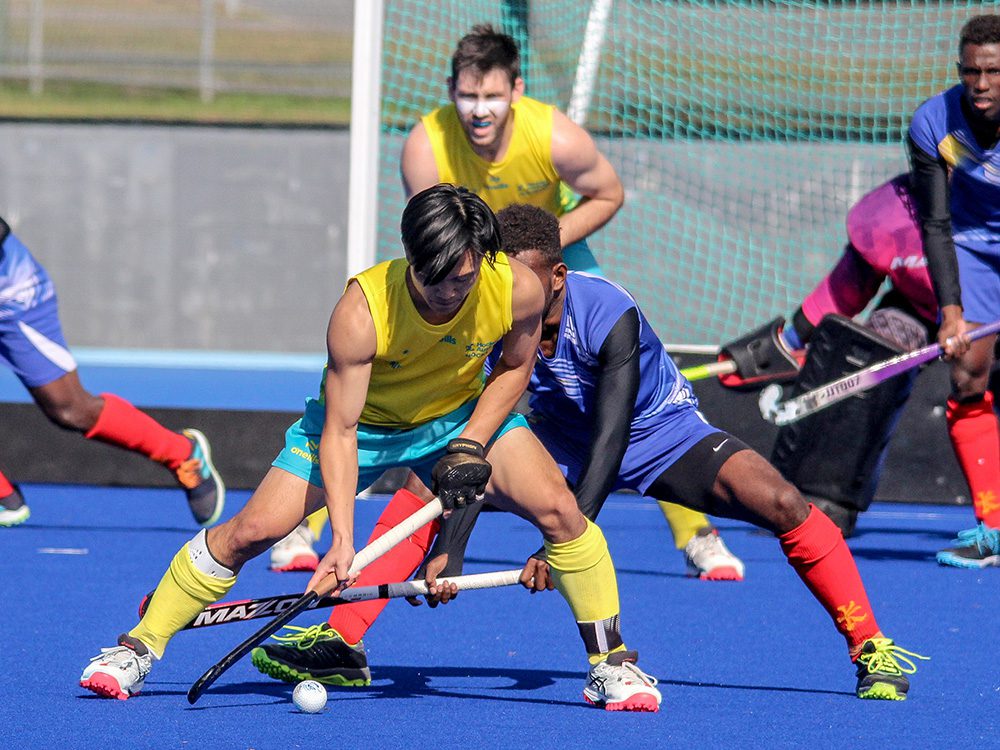
If you’ve been diagnosed with a ligament sprain, muscle tear, tendon injury, stress fracture, or any other musculoskeletal injury, rehabilitation is where most of your time with us will be spent — and where the quality of your outcome is most directly shaped by the quality of your care.
Injuries your doctor or specialist may have mentioned — things like an ACL tear, a grade two hamstring strain, Achilles tendinopathy, a shoulder labral tear, or a stress reaction in your tibia — all require structured, staged programs that progress based on what your body is actually showing, not just on how many weeks have passed. We use objective tests at each stage to confirm you’re ready to progress — not a calendar — because rushing those decisions is the most common reason athletes re-injure.

CRITERIA-BASED REHABILITATION STAGES Stage 1: Reduce pain and protect healing tissue · Stage 2: Restore joint movement and early muscle activation · Stage 3: Rebuild strength and load capacity · Stage 4: Sport-specific movement, agility, and running · Stage 5: Return-to-sport testing — strength symmetry, hop tests, confidence scoring · Stage 6: Return to full unrestricted competition
04 / POST-SURGICAL — Back Stronger than Before
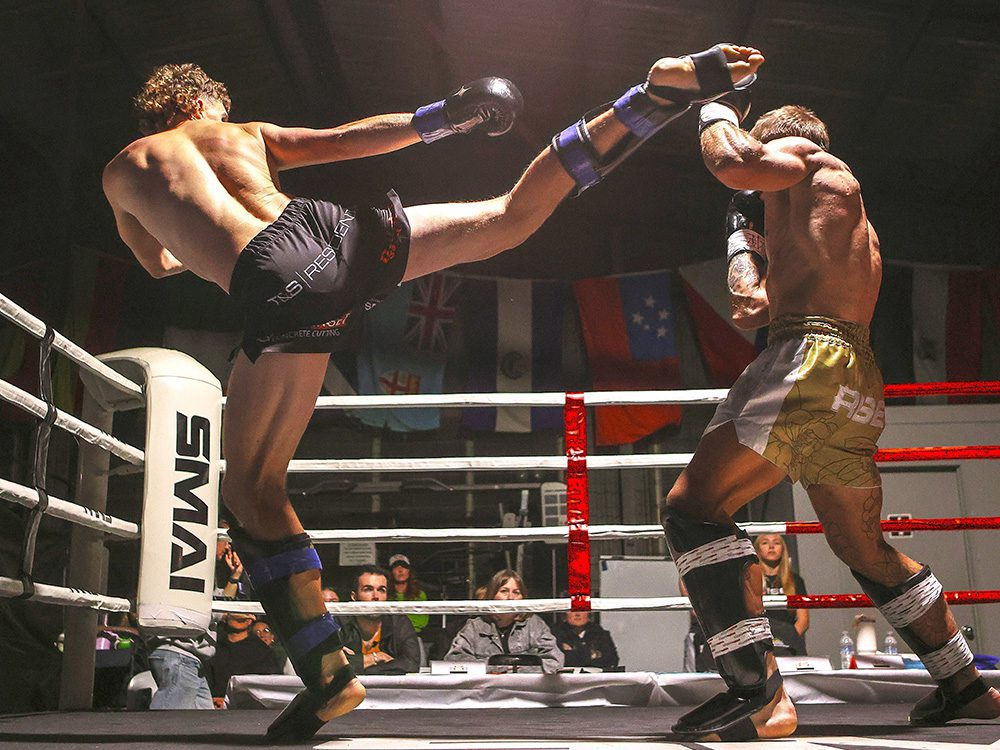
If you’ve had surgery — or you’re preparing for it — your rehabilitation journey is one of the most important things you’ll do for your long-term sporting future. The surgical outcome is only part of the picture. How you rehabilitate determines whether you get back to the level you were at, surpass it, or fall short.
We regularly work with patients recovering from ACL reconstruction (including those with bone-patellar tendon-bone, hamstring, or quadriceps tendon grafts), rotator cuff repair, shoulder stabilisation and labral surgery, meniscal repair or removal, hip arthroscopy, and ankle reconstruction. Every program is developed in coordination with your surgeon — respecting the specific repair they’ve performed and the biological timeline of healing — while also keeping you moving forward at every appropriate stage.
COMMON POST-SURGICAL PRESENTATIONS WE MANAGE ACL Reconstruction · Rotator Cuff Repair · Shoulder Labral Repair (SLAP) · Meniscal Surgery (repair or meniscectomy) · Ankle Reconstruction · Hip Arthroscopy · Patellofemoral Stabilisation Surgery · Multi-Ligament Knee Reconstruction
EVERYTHING YOU NEED TO COMPETE
We deliver across every part of athlete care — from identifying problems before they become injuries, through to comprehensive post-surgical recovery. Here’s what that looks like in practice.
INJURY RISK SCREENING
Before something goes wrong is the best time to work with us. Our screening assessments are designed for athletes who want to understand where their physical vulnerabilities lie — particularly those returning from a previous injury, those ramping up their training load, or those entering a new season. We assess movement quality, strength symmetry, and joint mobility, and provide you with a clear picture of where targeted work will reduce your risk most.
Common findings we look for include dynamic knee valgus during landing (a major ACL risk factor), reduced hip rotation or ankle dorsiflexion that places excess load on the knee and lower back, and shoulder rotation asymmetry in throwing athletes that can contribute to cuff pathology over time.
PERFORMANCE ENHANCEMENT
This service is for athletes who are healthy and training but want to lift the ceiling on their physical output. We assess where you are against the specific demands of your sport, identify the performance limiters, and design programs to address them. Improvements in strength, power, speed, endurance, or movement efficiency don’t happen by accident — they happen through structured, well-designed programming built around your goals and your schedule.
RETURN-TO-COMPETITION REHABILITATION
For athletes recovering from acute injuries, our rehabilitation programs are structured around objective milestones, not guesswork. Each phase has clear criteria you need to meet before progressing, and every step is tracked so both you and your coaching staff know exactly where you are in the process.
MEDICAL CLEARANCE ASSESSMENTS
If your club, team, league, insurer, or specialist has asked for a formal medical clearance before you return to sport, we produce the structured documentation they require. This includes comprehensive joint-specific assessments, functional testing outcomes, and written clinical reports that meet the standards of professional and community sporting bodies. We also conduct pre-game and annual musculoskeletal clearances for athletes competing in leagues that require them.
POST-SURGICAL REHABILITATION
Surgery is often just the beginning of your recovery — not the end. Our post-surgical rehabilitation programs are designed to pick up where your surgical team leaves off, progressing you through the stages of tissue healing, strength rebuilding, and sport-specific preparation in a way that is coordinated with your surgeon’s instructions and respectful of your body’s biological timeline. We work with your whole medical team to make sure nothing falls through the gaps.
CONCUSSION MANAGEMENT
Concussion is one of the most mismanaged injuries in sport — often dismissed too quickly, or managed without addressing all the contributing factors. We provide structured concussion assessment and a graduated return-to-play process that covers both the neurological and cervical spine components of recovery. This means you’re cleared when you’re genuinely ready — not just when a number of days have passed.
COMPLEX AND CHRONIC INJURY MANAGEMENT
If you’ve been dealing with an injury that keeps returning, that hasn’t responded to previous treatment, or that multiple practitioners haven’t been able to resolve — this is where we focus. Chronic presentations like persistent tendon pain (Achilles, patellar, or gluteal), recurring hamstring strains, ongoing low back or hip issues, or stress-related bone pathology often require more than isolated treatment of the painful area. We take a broader view — assessing load history, training habits, contributing biomechanical factors, and the full movement chain — to find and address the underlying drivers.
INJURIES WE TREAT
If you’ve been given a diagnosis — or you’re waiting on one — the table below covers the injuries and conditions we see and treat every day. Many patients arrive with a name their GP or specialist has given them; this is where that fits into our care.
Injury Type
Knee Injuries
Shoulder & Upper Limb
Ankle & Foot
Hip & Groin
Spine & Back
Muscle Injuries
Overuse & Load Injuries
Concussion & Head
Conditions We Treat
ACL tears (anterior cruciate ligament), PCL and MCL tears, meniscal injuries (tears, repair, or removal), patellofemoral pain (runner’s knee), patellar tendinopathy (jumper’s knee), ITB syndrome, kneecap instability and dislocation
Rotator cuff tears and tendinopathy, shoulder dislocations and instability, labral tears (SLAP injuries), AC joint sprains, biceps tendon problems, tennis elbow (lateral epicondylalgia), golfer’s elbow
Ankle ligament sprains (including high ankle/syndesmotic sprains), Achilles tendinopathy and rupture, plantar fasciitis, peroneal tendon injuries, foot stress fractures, chronic ankle instability
Hip flexor and groin strains, femoroacetabular impingement (FAI — often diagnosed on MRI), hip labral tears, gluteal tendinopathy, adductor tendinopathy, osteitis pubis, proximal hamstring tendinopathy
Lumbar disc bulges and sciatica, lower back pain in sport, stress fractures of the spine (spondylolysis), sacroiliac joint pain, cervical spine injuries, rib injuries and thoracic pain
Hamstring tears (grades 1, 2, and 3 — partial to complete rupture), quad and calf muscle tears, muscle contusions (corked muscles), compartment syndrome, recurrent soft tissue injuries
Shin splints (medial tibial stress syndrome), stress fractures and bone stress reactions, tendinopathies in any region, bursitis (hip, shoulder, knee), growth-related pain in younger athletes (Osgood-Schlatter, Sever’s disease)
Sports concussion, post-concussion syndrome, persistent headache after a head knock, vestibular and balance problems post-concussion, return-to-learn management for students

CONCUSSION — MANAGED PROPERLY
Our concussion management is grounded in evidence-based, sport-specific graduated return-to-play protocols — with a safe return to sport as the primary goal at every stage. We assess each athlete individually, tailoring our approach to their symptom profile and the demands of their sport.
Concussion is a brain injury, and it deserves to be treated as one — not dismissed, not rushed, and not managed with a one-size-fits-all approach. An MRI or CT scan will usually come back normal — not because nothing happened, but because concussion is a functional disruption to how the brain processes information, not a structural injury that shows up on a scan.
Not every concussion requires cervicogenic manual therapy. However, when persistent headache or chronic post-concussion symptoms suggest dysfunction in the upper cervical spine, we are one of the few practices equipped to assess and address this using Watson’s Headache Approach — a clinically validated method targeting the joints between the occiput, C1, and C2 that share a neurological pathway with the trigeminal nerve. Identifying and treating this cervicogenic component can significantly shorten recovery time and resolve persistent headaches that aren’t responding to rest alone.
WHAT YOUR ASSESSMENT COVERS
Our concussion assessments are comprehensive — because a thorough initial evaluation is the foundation of a safe and timely return:
-
- Baseline and post-injury neurocognitive assessment
- Vestibular retraining and oculomotor rehabilitation where clinically indicated
- Cervicogenic assessment using Watson’s Headache Approach — applied selectively for athletes with persistent headache or chronic post-concussion symptoms
- Graduated return-to-play protocol following sport-specific, evidence-based safe return-to-play guidelines aligned to current best-practice consensus
- Return-to-learn and cognitive load management where required
- Full medical documentation for clubs, leagues and governing bodies
- Coordinated care with medical practitioners when indicated
WATSON’S HEADACHE APPROACH — WHAT IT IS AND WHY IT MATTERS
Watson’s Headache Approach is one tool in our concussion toolkit — not a routine intervention for every presentation, but a targeted, evidence-based option for athletes whose recovery is complicated by persistent headache or upper cervical involvement. Developed by Dean Watson, an APA Musculoskeletal Physiotherapist, it is a research-validated method of assessing and treating dysfunction in the upper cervical spine — specifically the joints between the occiput, C1, and C2. These joints share a neurological pathway with the trigeminal nerve — the nerve responsible for processing most head and face pain. When these joints are irritated after a head knock, they can reproduce and perpetuate headaches in a way that is indistinguishable from a purely brain-based concussion symptom. Where this cervicogenic component is identified, targeted treatment can significantly shorten recovery time.
CLINICAL DOCUMENTATION THAT MEETS THE STANDARDS
PRE-GAME & RETURN-TO-COMPETITION CLEARANCE
If your sport requires a formal clearance before you can return to play — following an injury or surgery — we conduct the full musculoskeletal assessment required and provide written clearance documentation. This covers both the physical findings and the functional testing outcomes you need before approving your return.
COMPREHENSIVE JOINT ASSESSMENTS
We assess all major joints to current clinical standards — using the specific orthopaedic tests and outcome measures required for formal clearance or insurance reporting. If you’ve been told you need a “joint clearance” for your shoulder, knee, ankle, hip, or spine before returning to your sport or passing a pre-employment physical, this is the assessment you need.
Joint
Shoulder
Knee
Ankle
Hip & Groin
Spine
Elbow & Wrist
What We Assess & Report
Rotator cuff assessment, shoulder stability testing, range of motion measurement, AC joint assessment — reported with validated outcome scores
Ligament integrity tests (ACL, PCL, MCL, LCL), meniscal provocation, patellofemoral assessment, functional hop battery — reported with IKDC and Lysholm scores
Lateral ligament stress testing, high ankle (syndesmotic) assessment, weight-bearing mobility, proprioception — reported with Cumberland Ankle Instability Tool (CAIT)
FAI provocation testing, labral assessment, adductor and flexor strength, hip mobility — reported with iHOT or Copenhagen outcome tools
Lumbar and cervical range of motion, neural tension screening, segmental assessment — appropriate for disc, facet, and SIJ presentations
Collateral ligament stress testing, grip strength dynamometry, joint stability assessment — suitable for throwing and racquet sport athletes

ATHLETE MONITORING AND PERFORMANCE REPORTING
For athletes managed through a club, academy, or high-performance program, we deliver ongoing monitoring and structured reporting to support informed athlete management. This includes tracking training load over time, flagging periods of elevated injury risk, and providing coaches and support staff with clear, usable data on each athlete’s physical status and progression.
INSURER, LEAGUE AND GOVERNING BODY REPORTS
We regularly produce formal medical reports for WorkCover and personal injury insurers, Workers’ Compensation claims, sporting league return-to-play panels, national and state governing bodies, and pre-participation or pre-employment medicals. Our reports are written to clinical and medicolegal standards and formatted for the specific requirements of the receiving organisation — so your claim or clearance isn’t delayed by a report that doesn’t meet expectations.
READY TO TRAIN, RECOVER AND PERFORM?
Whether you’re dealing with an injury, preparing for a new season, or pushing toward a performance goal —
our team is here to help you get there.
Multiple locations across Brisbane,Logan and the Gold Coast
RECENT POSTS
Understanding Shin Splints: Causes, Symptoms, and Effective Treatments
If you’ve ever had them, you’ll know that Shin Splints are a frustrating and painful condition. If…
ACL Injury & Treatment Copy
The Anterior Cruciate Ligament, of ‘ACL’ is one of the major stabilising ligaments within the knee…
ACL Injury: Best Treatments and Symptoms
The Anterior Cruciate Ligament, commonly known as the ACL, serves as a critical stabilising…
All You Need to Know About Shoulder Bursitis
Shoulder bursitis is more than just a temporary discomfort; it's a condition that can significantly…