

Clinical name: Concurrent strength training for endurance runners
Direct answer
Strength training doesn’t slow runners down — done properly, it improves running economy (how efficiently you use energy at a given pace), reduces injury risk, and can improve finishing speed, without adding significant bulk. The common worry that lifting weights makes you “too heavy” or stiff for running isn’t supported by the evidence.
What this means
“Running economy” refers to how much energy your body uses to maintain a given running pace — a more economical runner uses less energy (and therefore less oxygen) to run at the same speed as a less economical one.
What does the evidence say?
Multiple studies show runners who add around two strength sessions a week improve running economy and reduce injury rates compared with running-only training, without negatively affecting endurance performance.
What kind of strength training works best?
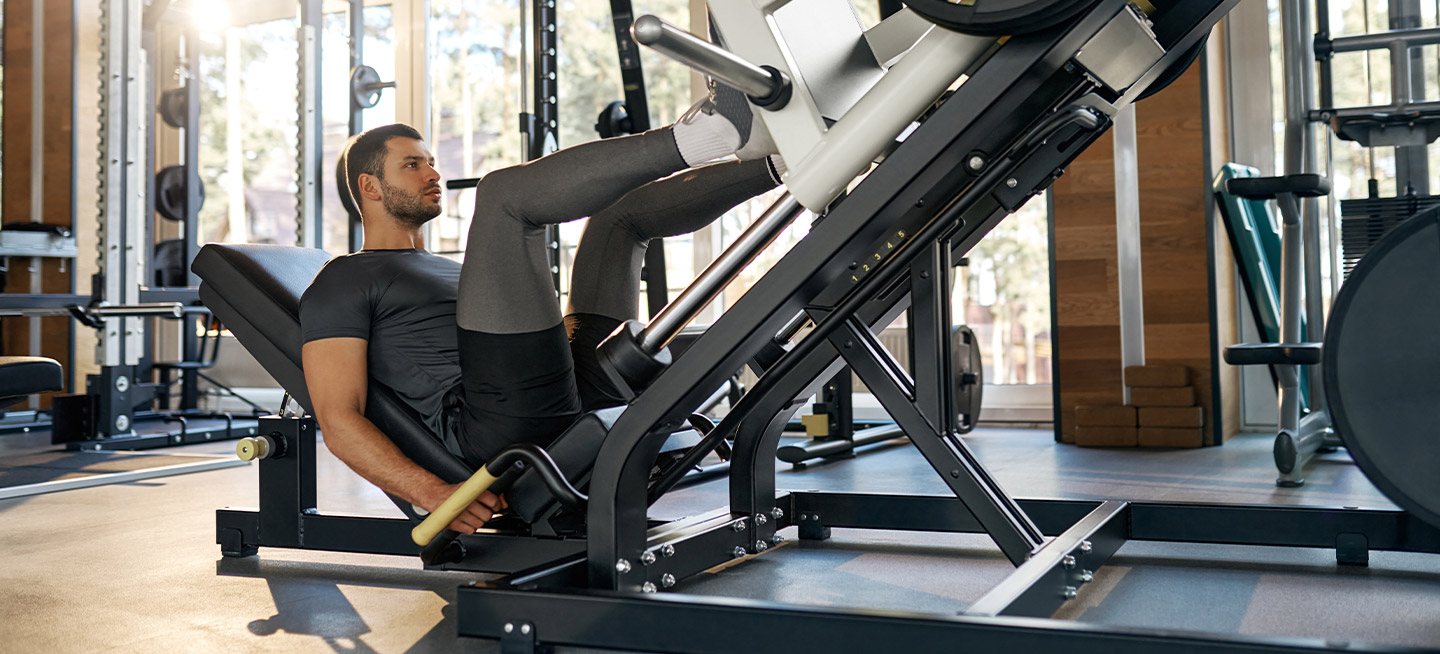
Heavy, low-rep compound lifts — squats, deadlifts, step-ups, calf raises — plus some plyometric or power work, tend to produce better results than high-rep, lightweight “toning” circuits.
Won’t lifting heavy make me bulky and slow?
Building significant muscle bulk requires a quite different training and nutrition approach to a typical runner’s two-sessions-a-week strength routine. Most runners see strength and running economy improvements without meaningful weight gain.
How does strength training fit around a running schedule?
Two sessions a week generally works well, ideally scheduled around easier running days, and avoiding heavy leg sessions immediately before key running sessions. The off-season is a good time to build an initial strength base (see our related article).
What tends to aggravate things if strength training is added poorly?
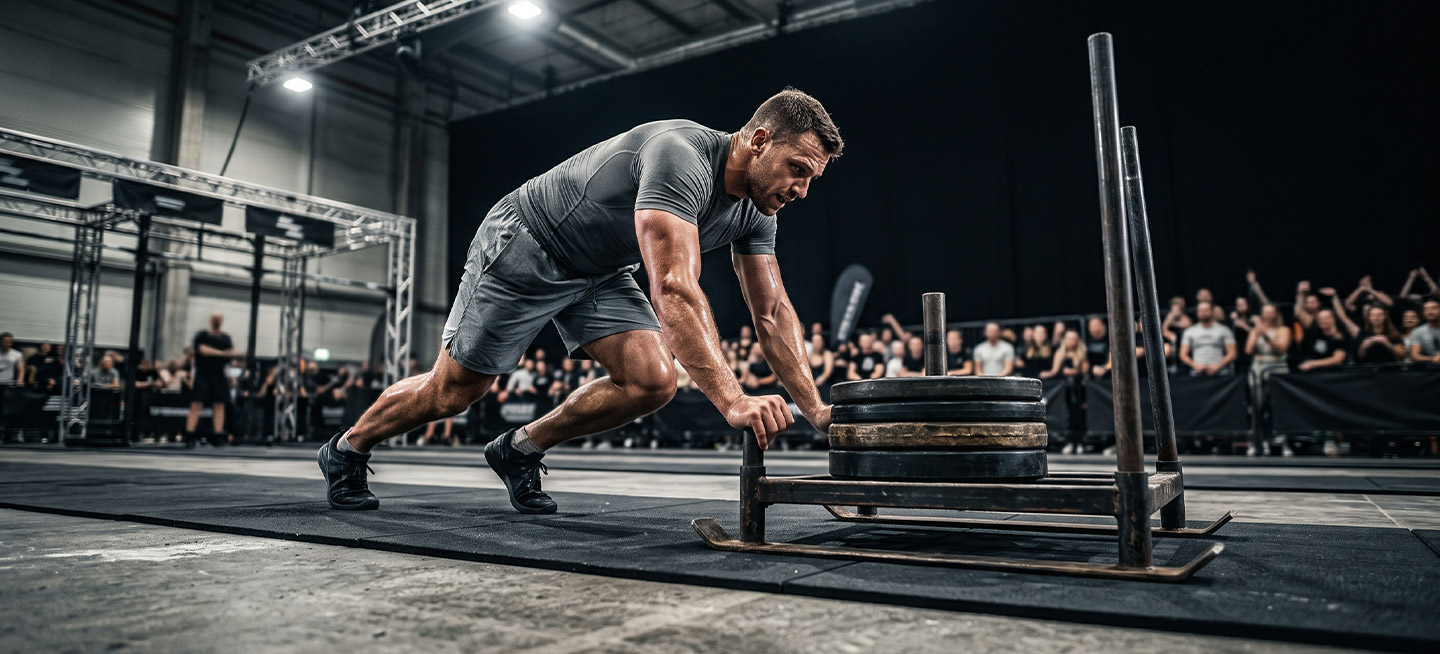
Jumping straight into heavy loads without a technique-focused introduction, scheduling hard leg strength sessions right before speed or long-run days, and neglecting recovery between the two disciplines all tend to cause problems rather than gains.
Who’s behind this advice
Reviewed by: Core Healthcare Bundall 2026
Clinic services: Sports Injuries & Performance, running biomechanics assessment, strength & conditioning
Related reading
• Low-impact sports and training as you age
• How to structure an off-season training program for your sport
• Why Am I Not Recovering Between Training Sessions? Signs You’re Under-Recovering (Not Undertraining)
Next step
Whether you’re chasing a personal best, coming back from a niggle, or just trying to stay in the game as you get older, waiting until something becomes a full injury rarely gives the best outcome. A tailored assessment identifies exactly what’s holding your performance back or putting you at risk, and gets you started on a plan built around your sport and your goals.
Book an assessment with a sports physiotherapist or exercise physiologist at your nearest Core Healthcare clinic across Brisbane, Logan, the Gold Coast and Tugun, or ask your physio about this at your next session.