

Clinical name: Delayed onset muscle soreness (DOMS)
Direct answer
Muscle soreness that builds over a day or two after unfamiliar or intense exercise — delayed onset muscle soreness, or DOMS — typically peaks between 24 and 72 hours afterward and comes from microscopic muscle damage and the inflammatory response that follows it, not a build-up of lactic acid, as is commonly believed. It’s a normal, temporary part of adapting to new or increased training loads, and while nothing eliminates it entirely, some strategies genuinely help more than others.
What this means
DOMS is the stiffness and tenderness that shows up a day or two after exercising your muscles weren’t used to — different from the immediate burning fatigue felt during a workout, which is a separate, short-lived process.
What causes it?
Unfamiliar or higher-than-usual exercise — particularly movements with a lot of eccentric loading, like running downhill or lowering a heavy weight slowly — causes microscopic damage to muscle fibres. The soreness that follows comes from the inflammatory and repair response to that damage, which typically peaks 24 to 72 hours after the session and resolves within about a week.
Does foam rolling help?
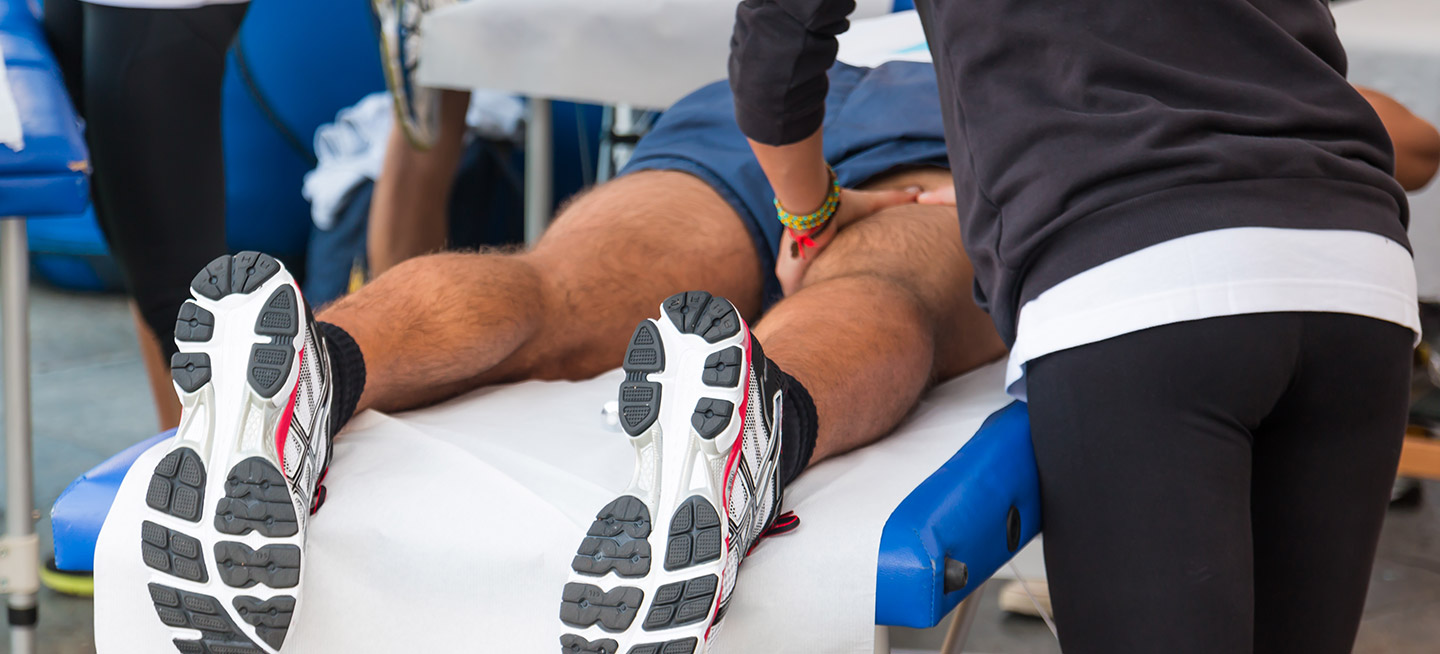
The evidence is genuinely encouraging, if modest: studies measuring perceived soreness have found foam rolling produces a significant improvement within 24 hours compared with no treatment, and separate research shows it can help muscles recover their normal tone, stiffness and elasticity faster than passive rest, even though it doesn’t necessarily reduce swelling or fully restore range of motion on its own.
What about ice baths?
Ice baths can provide short-term relief of soreness after a single event, but regularly icing after every training session may blunt some of the muscle adaptations you’re actually training for, since the inflammatory response DOMS is part of also plays a role in building strength and endurance over time. They’re more reasonably used around competitions or key events than as a routine after every session.
Should I take anti-inflammatory medication for it?
Occasional use for significant discomfort is unlikely to cause harm, but regularly relying on anti-inflammatory medication to manage routine training soreness isn’t advisable, for the same reason as frequent icing — it may interfere with the muscle’s normal adaptation and repair process when used repeatedly.
What tends to aggravate it, and what helps ease it?
Doing another hard session on the same muscle group before DOMS has resolved tends to aggravate it and increases injury risk. Light, low-intensity movement (an easy walk or gentle cycle), foam rolling, adequate protein intake and sleep, and simply allowing the typical 48-to-72-hour window for recovery all genuinely help.

When is soreness something more than DOMS?
Sharp, localised pain rather than a general ache, swelling out of proportion to the activity, dark urine, or soreness that keeps worsening well beyond 72 hours instead of improving are reasons to get it assessed rather than assuming it’s routine DOMS.
Who’s behind this advice
Reviewed by: Core Healthcare Bundall 2026
Clinic services: Sports Injuries & Performance, running biomechanics assessment, strength & conditioning
Sources: Journal of Athletic Training, foam rolling for delayed-onset muscle soreness and recovery of dynamic performance measures (Pearcey et al.)
Related reading
• What’s the best warm-up and cooldown routine to prevent injury and improve performance?
• What should I be doing in the off-season to stay injury-free and come back stronger? (see: How to structure an off-season training program for your sport)
• How to prevent repetitive and overuse injuries
• Why Am I Not Recovering Between Training Sessions? Signs You’re Under-Recovering (Not Undertraining)
Next step
Whether you’re chasing a personal best, coming back from a niggle, or just trying to stay in the game as you get older, waiting until something becomes a full injury rarely gives the best outcome. A tailored assessment identifies exactly what’s holding your performance back or putting you at risk, and gets you started on a plan built around your sport and your goals.
Book an assessment with a sports physiotherapist or exercise physiologist at your nearest Core Healthcare clinic across Brisbane, Logan, the Gold Coast and Tugun, or ask your physio about this at your next session.