

Clinical name: Deep spinal (core) stability rehabilitation
Direct answer
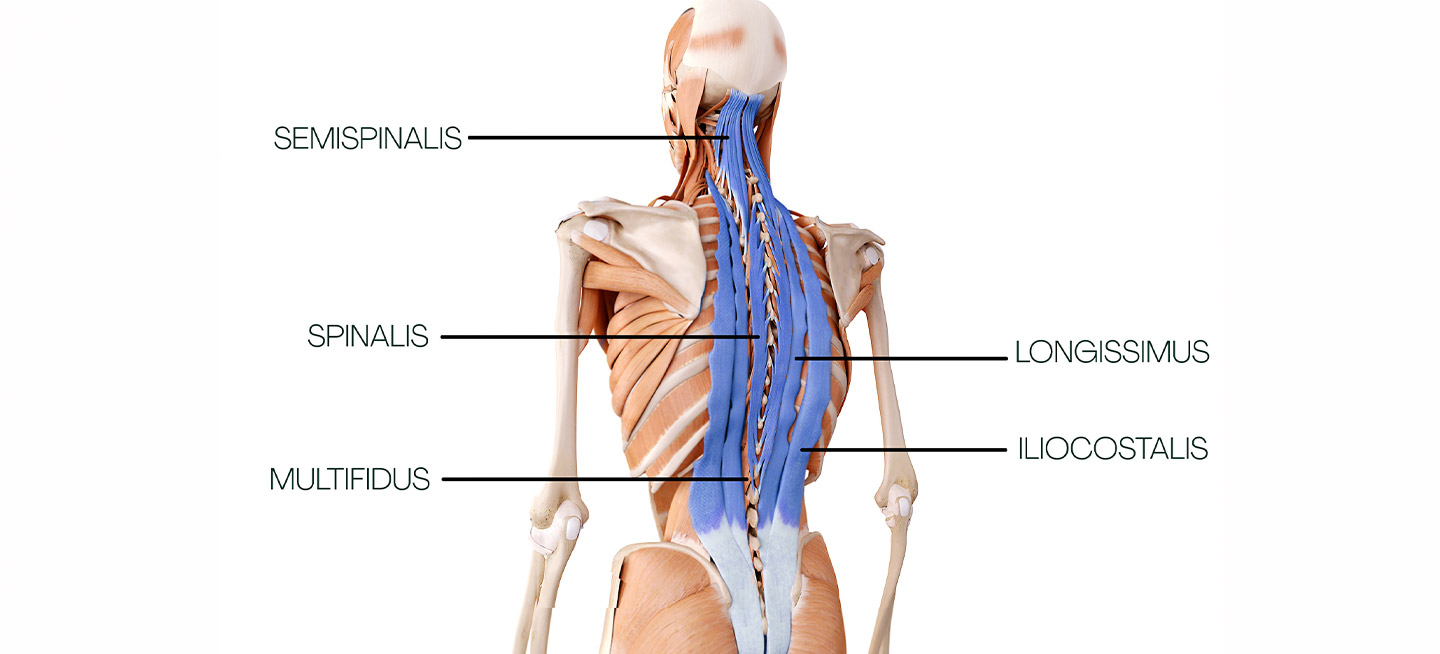
The deep muscles that stabilise your spine — particularly the multifidus, a muscle running along the length of the spine — don’t switch back on by themselves after a back injury, even once the pain has gone. Specific, targeted exercise is needed to reactivate them, which is why general core exercises alone don’t always fully resolve the underlying instability behind recurring back pain.
What this means
Think of your spine’s stability like a corset: the firmness of the support comes from your abdominal muscle tone, but the tensioning that actually holds everything together comes from the deep paraspinal muscles — particularly multifidus — tying it all in, much like the laces of a corset.
Why don’t these muscles just recover on their own?
There’s clear evidence that the deep paraspinal muscles, particularly multifidus, don’t spontaneously recover their normal activation pattern after a back injury, even once pain has settled and other muscles have returned to normal function. Left unaddressed, this can leave the spine with a genuine stability deficit despite feeling pain-free, which is part of why generic exercise doesn’t always prevent recurrence.
Isn’t doing sit-ups or planks enough?
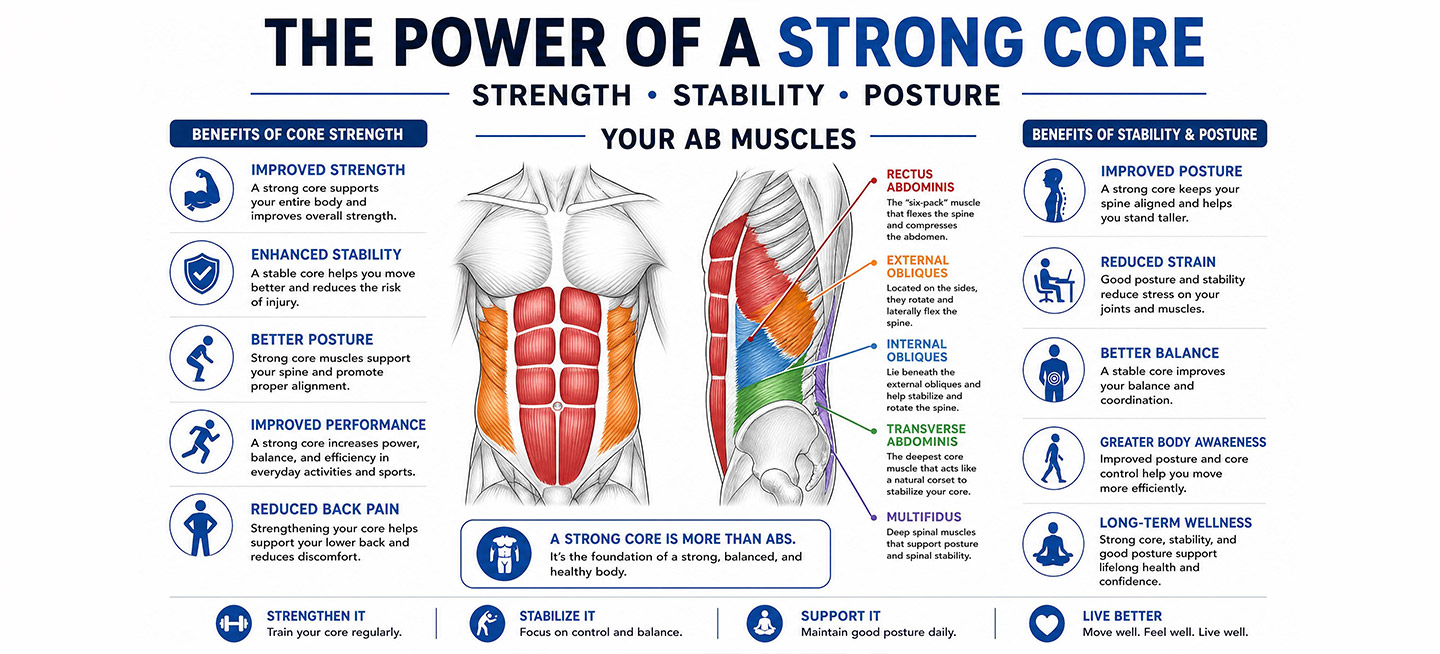
Not necessarily — general abdominal exercises like sit-ups and planks work the more superficial abdominal muscles, but they don’t specifically or reliably reactivate the deep paraspinal muscles that provide the spine’s close-in segmental support. Restoring that support needs a more specific approach targeting these deeper muscles directly.
What does specific core rehabilitation actually involve?
A progressive program that starts with re-activating the deep abdominal and paraspinal muscles in isolation — often difficult to feel or control at first — before building that control into functional movements and, eventually, more demanding activities and load.
What tends to aggravate it, and what helps ease it?
Skipping the early re-activation phase and jumping straight to heavier, more general strengthening tends to reinforce compensatory movement patterns rather than fixing the underlying deficit. Working through a properly staged program — even though the early stages can feel deceptively easy — is what actually restores genuine spinal stability.
Who benefits most from this kind of targeted approach?
Anyone with a history of back injury, recurring episodes of back pain, or ongoing instability-type symptoms (a feeling the back might “give way”) tends to benefit from this more specific approach, rather than relying on general strengthening alone.
Who’s behind this advice
Reviewed by: Core Healthcare Banyo 2026
Clinic services: Assessment and diagnosis of back pain and related symptoms (including leg, buttock and pelvic pain); manual therapy; individualised treatment and management planning based on your assessment findings; Pilates-based rehab classes, strengthening and exercise rehabilitation, including musculoskeletal and sports rehab; posture and workstation advice; women’s health physiotherapy for pregnancy-related back and pelvic pain.
Related reading
• My back pain keeps coming back — how do I stop the cycle?
• I’ve hurt my back lifting or twisting — what should I do?
• Desk job back pain — how do I fix it?
Next step
Back pain that’s left to “settle on its own” often takes longer to resolve and comes back more easily than back pain that gets an early, targeted assessment. A proper assessment identifies exactly what’s driving your symptoms and gets you started on a specific plan — not just advice to rest and see how it goes. Book a back assessment with a physiotherapist at any of Core Healthcare’s seven clinics across Brisbane, Logan, the Gold Coast and Northern NSW, or ask your physio about this at your next session.