
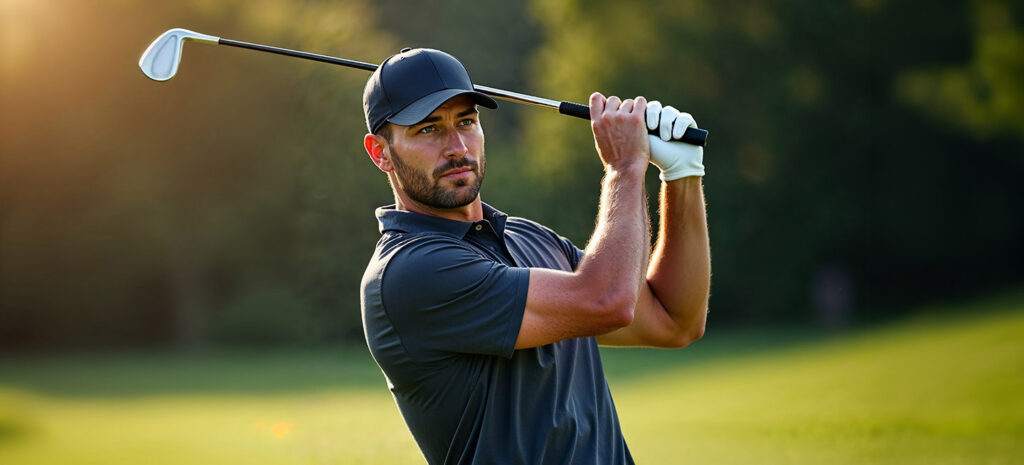
Clinical name: Training adaptations for the masters (aging) athlete
Direct answer
Strength training becomes more important, not less, as you age — it’s the main lever for preserving the muscle mass and power that decline faster than aerobic capacity, and most masters athletes actually under-train strength while over-relying on the endurance work, they’ve always done. With the right adjustments, meaningful athletic performance and activity levels are genuinely achievable well into your 60s, 70s and beyond.
What this means
Some age-related decline in athletic performance is real, but research on chronically active older adults shows much of it comes from a reduced training stimulus — particularly less strength and power work — rather than an unavoidable biological ceiling. Studies of master’s athletes show muscle strength holding up close to that of much younger comparisons right up until the 60s.
What changes as we age?
A gradual loss of fast-twitch muscle fibres and maximum heart rate, somewhat slower recovery between sessions, and reduced tissue tolerance for very high, unaccustomed loads. That said, research consistently shows chronically active older adults retain far more capacity than is commonly assumed.

What should shift in my training?
Prioritising strength training — heavier loads, lower reps — over simply adding more endurance volume, since endurance training alone doesn’t preserve fast-twitch muscle fibres. Maintaining some higher-intensity work in moderation and increasing the proportion of time spent on mobility work relative to total training volume, both matter more with age.
Do I need to change sport as I get older?
Not necessarily switch sport entirely, but adjusting the balance of activities — for example, a lifelong runner adding more strength work and moderating very high running volumes or blending in lower-impact cross-training — can help manage joint load while keeping you competitive and active. Some people do choose to shift toward a related, lower-impact discipline (road running to cycling, for example), and either path can work well when it’s a deliberate choice rather than a reaction to ongoing pain.
What tends to slow older athletes down unnecessarily?
Cutting training volume without adding strength work to compensate, skipping the extra recovery and mobility time that becomes more important with age, and continuing to train through niggles rather than addressing them early — small issues generally take longer to resolve as we age.
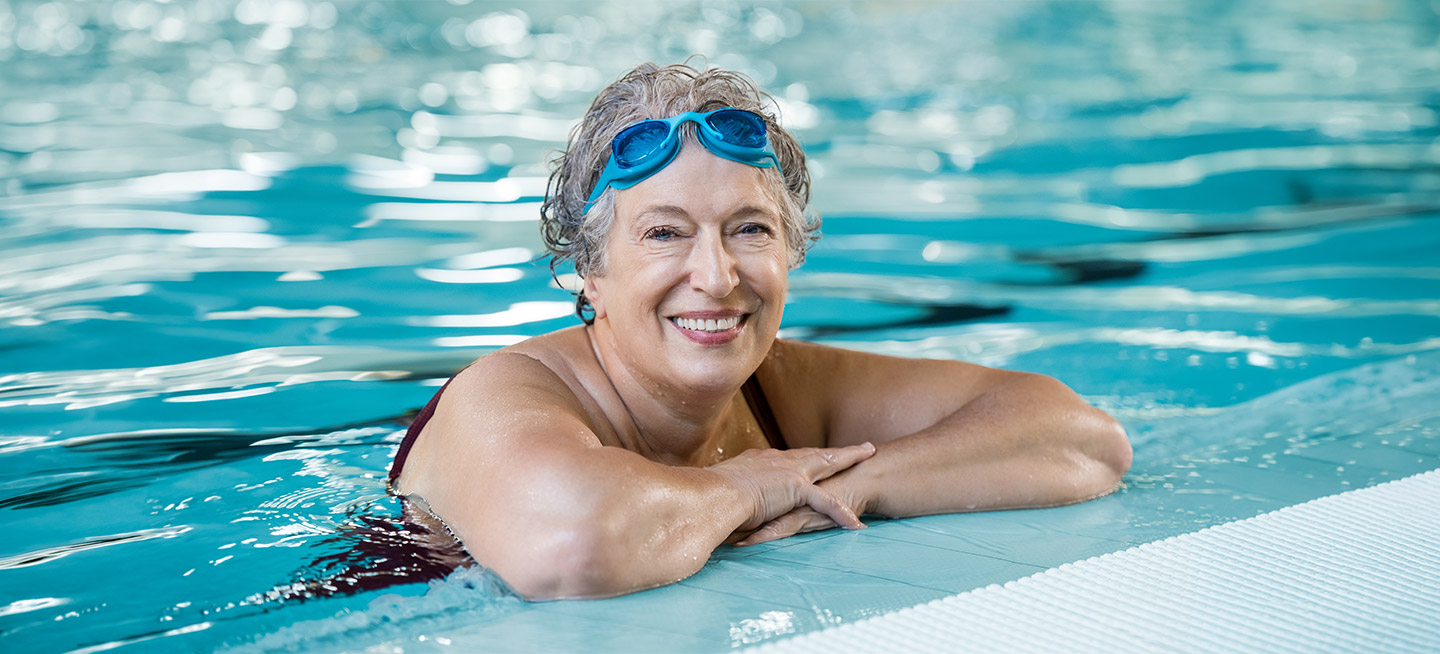
What helps recovery between sessions?
More deliberate rest days, prioritising sleep, adequate protein intake (research shows masters athletes’ protein needs are broadly similar to younger athletes’, provided training continues consistently), and periodised programming rather than constant hard efforts.
Who’s behind this advice
Reviewed by: Core Healthcare Bundall 2026
Clinic services: Sports Injuries & Performance, running biomechanics assessment, strength & conditioning
Related reading
• Does strength training slow runners down? Benefits without the bulk
• How to structure an off-season training program for your sport
• Why Am I Not Recovering Between Training Sessions? Signs You’re Under-Recovering (Not Undertraining)
Next step
Whether you’re chasing a personal best, coming back from a niggle, or just trying to stay in the game as you get older, waiting until something becomes a full injury rarely gives the best outcome. A tailored assessment identifies exactly what’s holding your performance back or putting you at risk, and gets you started on a plan built around your sport and your goals.
Book an assessment with a sports physiotherapist or exercise physiologist at your nearest Core Healthcare clinic across Brisbane, Logan, the Gold Coast and Tugun, or ask your physio about this at your next session.