
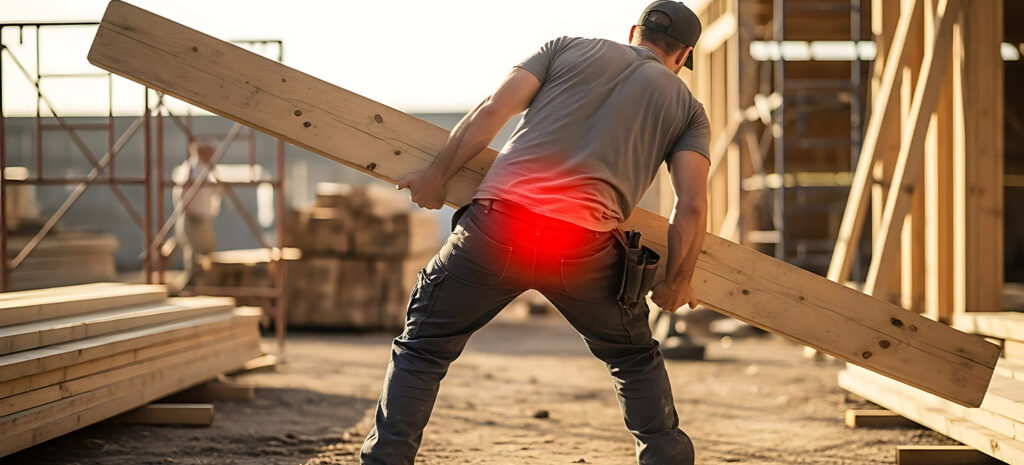
Clinical name: Acute lumbar muscle or ligament strain/sprain
Direct answer
A sudden onset of back pain immediately after lifting, twisting or an awkward movement is usually a strain of the muscles or ligaments supporting the spine — an overload of tissue that’s otherwise perfectly healthy, rather than damage to a disc or nerve. It typically settles well with early movement and a graded return to normal activity.
What this means
A “strain” or “sprain” in the back means the muscles or ligaments have been stretched beyond what they were prepared for at that moment, causing localised pain, tightness and sometimes spasm — similar to a strain anywhere else in the body.
What happens when you “throw your back out”?
It’s rarely one single catastrophic event — more often, a combination of fatigue, an awkward position, and a moment of unexpected load overwhelms the tissue’s current capacity. The resulting muscle spasm and guarding is the body’s protective response, and while it can be genuinely painful, it doesn’t mean serious damage has occurred.
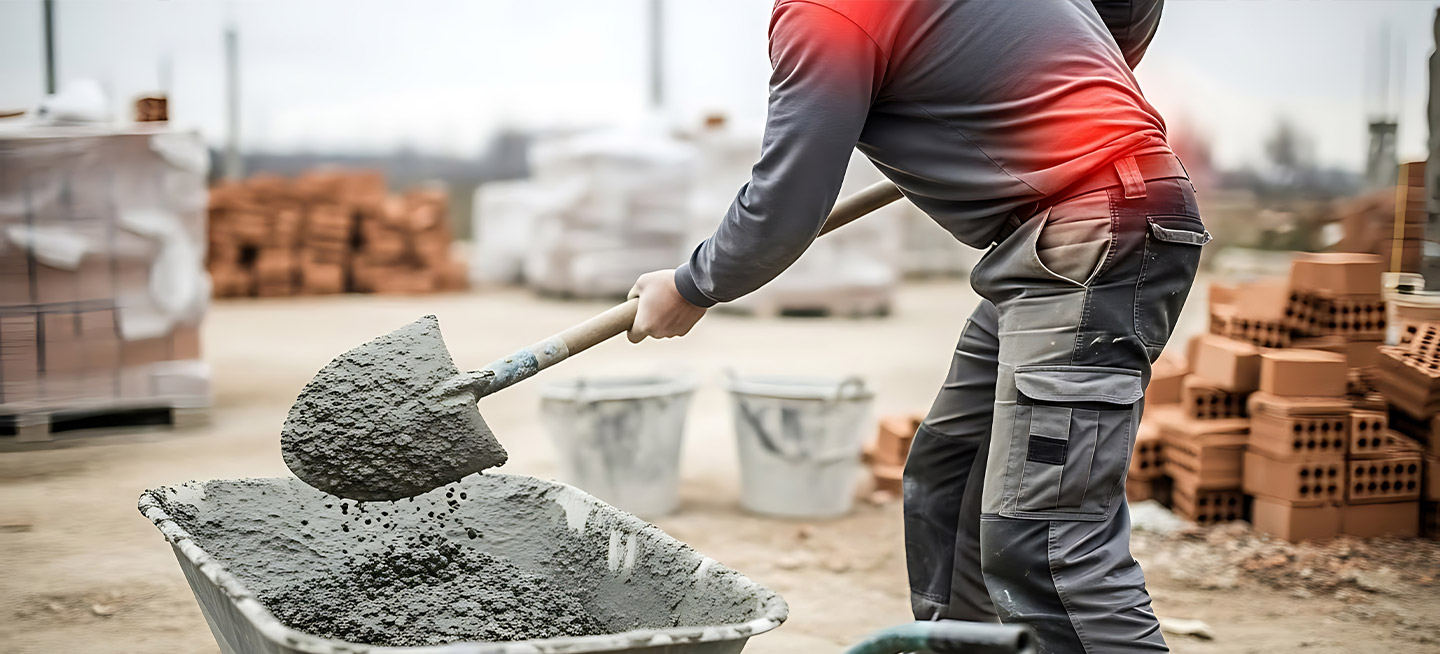
How do I know it’s a strain and not something more?
Muscle and ligament strains typically cause localised pain and stiffness that eases somewhat with gentle movement and worsens with specific positions, without associated leg symptoms like numbness, tingling or shooting pain (see our related article on sciatica if those are present).
What tends to aggravate it, and what helps ease it?
Sudden movements, prolonged static positions, and lifting with poor technique tend to aggravate it further while it’s healing. Gentle movement within a tolerable range, gradual return to normal activity, and short-term activity modification (rather than complete rest) tend to help it settle fastest.
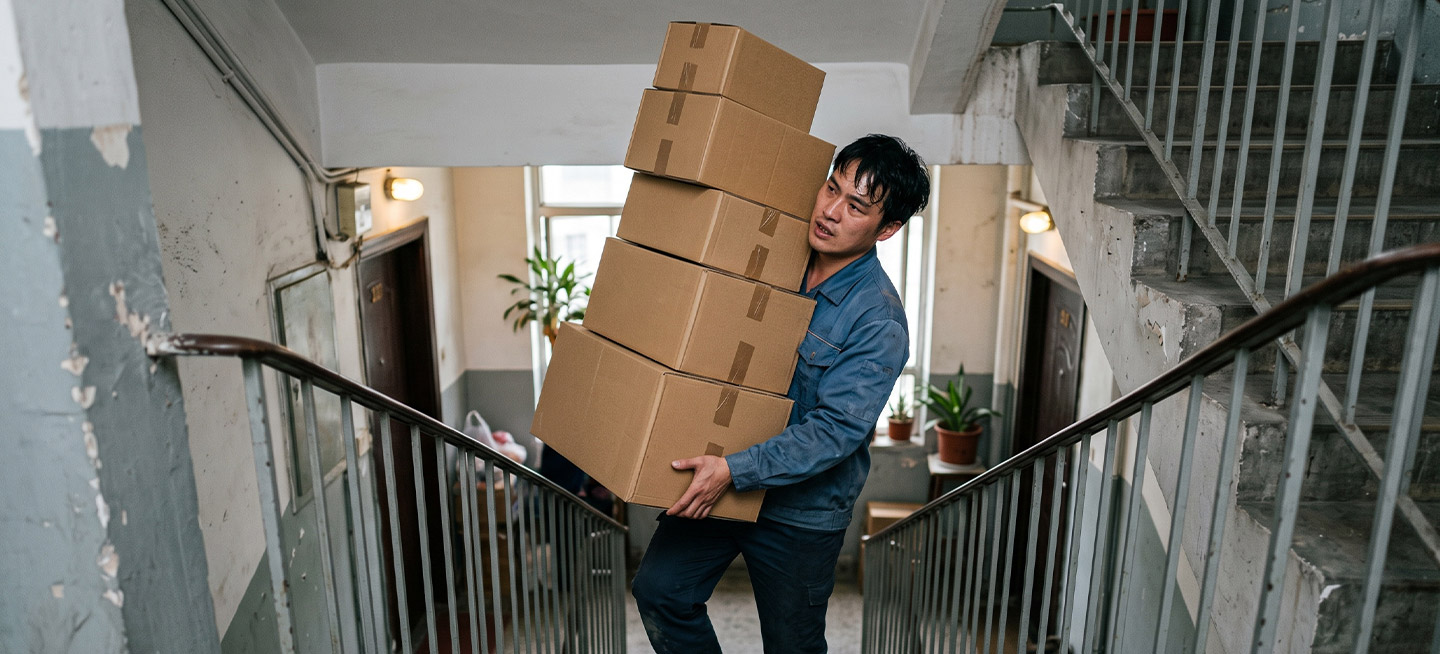
How is it treated?
Early, guided movement and reassurance that the tissue is safe to load consistently produce better outcomes than prolonged rest. Manual therapy can help settle acute symptoms and spasm, but the main driver of recovery is a graded return to normal movement and, where relevant, addressing any lifting technique or load management factors that contributed.
How can I reduce the risk of it happening again?
Building general trunk and hip strength, warming up before heavy lifting tasks, and pacing load increases (rather than sudden jumps in activity) all reduce the risk of a repeat strain.
Who’s behind this advice
Reviewed by: Core Healthcare Banyo 2026
Clinic services: Assessment and diagnosis of back pain and related symptoms (including leg, buttock and pelvic pain); manual therapy; individualised treatment and management planning based on your assessment findings; Pilates-based rehab classes, strengthening and exercise rehabilitation, including musculoskeletal and sports rehab; posture and workstation advice; women’s health physiotherapy for pregnancy-related back and pelvic pain.
Related reading
• Lower back pain — when should I worry?
• Will core strengthening actually help my back pain?
• My back pain keeps coming back — how do I stop the cycle?
Next step
Back pain that’s left to “settle on its own” often takes longer to resolve and comes back more easily than back pain that gets an early, targeted assessment. A proper assessment identifies exactly what’s driving your symptoms and gets you started on a specific plan — not just advice to rest and see how it goes. Book a back assessment with a physiotherapist at any of Core Healthcare’s seven clinics across Brisbane, Logan, the Gold Coast and Northern NSW, or ask your physio about this at your next session.