

Clinical name: Recurrent low back pain
Direct answer
Back pain that keeps returning, even after fully settling each time, usually means the underlying contributing factor — a strength deficit, a movement pattern, ongoing load that exceeds your back’s current capacity — wasn’t fully addressed the last time it settled, rather than each episode being an unrelated, unlucky event. Building genuine capacity, not just treating each flare-up as it happens, is what breaks the cycle.
What this means
Recurrence is extremely common with back pain — a large proportion of people who’ve had one episode will have another within a year. This isn’t a sign that your back is inherently fragile; it’s usually a sign that the underlying contributing factors are still there once the pain itself has gone.
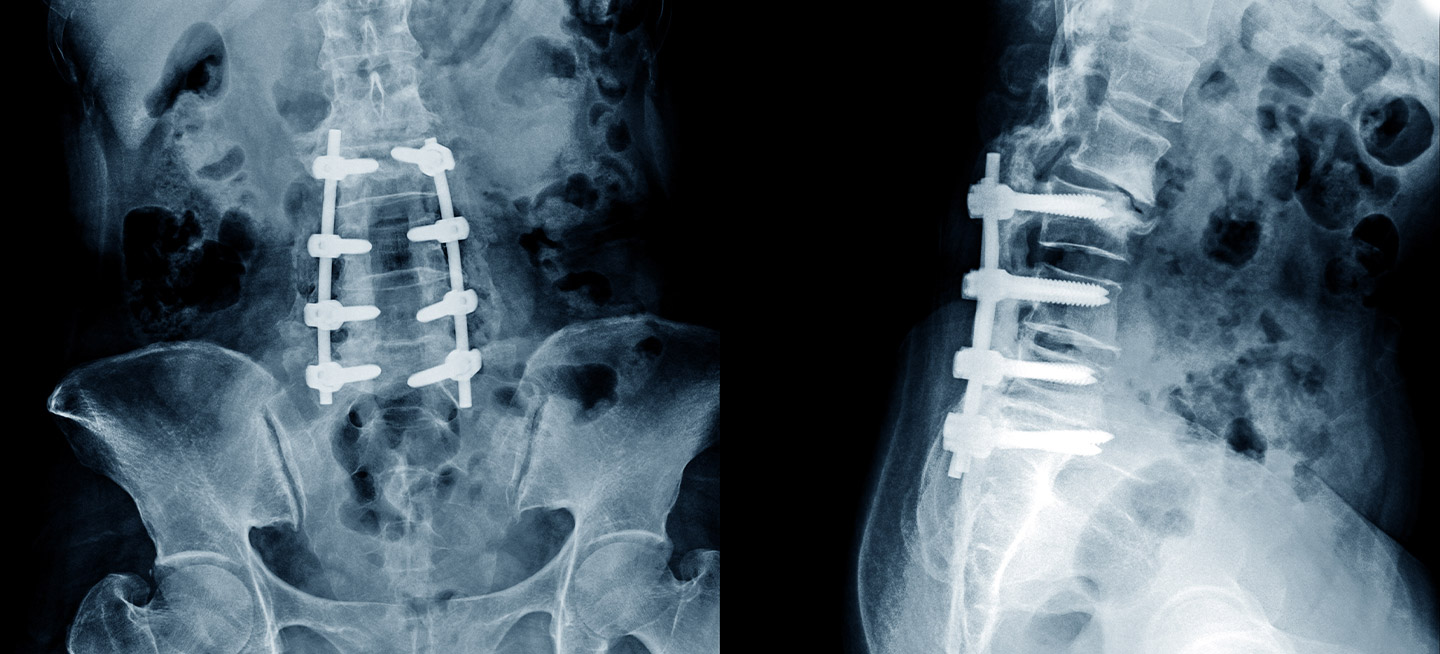
Why does it keep coming back if it fully settles each time?
Pain settling doesn’t necessarily mean the back’s underlying capacity and control have been fully restored — people often stop treatment or exercise as soon as symptoms resolve, before finishing the strengthening phase that actually protects against the next episode.
What increases the risk of recurrence?
Stopping rehabilitation as soon as pain resolves rather than completing a full strengthening program, ongoing deconditioning between episodes, unaddressed movement patterns or load management issues, and a general fear of movement that leads to avoiding activities that are actually safe to do.
What tends to aggravate it, and what helps ease it?
Returning to full activity levels too quickly after a flare-up, and conversely, being overly cautious and avoiding movement out of fear of another episode, can both contribute to ongoing recurrence. A gradual, planned increase in activity and consistent general conditioning — maintained even when pain-free — helps break the cycle.

How is this actually addressed?
Rather than treating each episode in isolation, a longer-term plan looks at your specific contributing factors — strength, movement patterns, load management, and any unhelpful beliefs about movement being dangerous — and builds a program to address them, with the goal of extending the time between episodes and reducing their severity when they do occur.
Does this mean I’ll always have a bad back?
Not at all — many people with a history of recurrent back pain go on to have long pain-free periods once the underlying contributing factors are properly addressed, rather than each episode simply being managed as it comes.
Who’s behind this advice
Reviewed by: Core Healthcare Banyo 2026
Clinic services: Assessment and diagnosis of back pain and related symptoms (including leg, buttock and pelvic pain); manual therapy; individualised treatment and management planning based on your assessment findings; Pilates-based rehab classes, strengthening and exercise rehabilitation, including musculoskeletal and sports rehab; posture and workstation advice; women’s health physiotherapy for pregnancy-related back and pelvic pain.
Related reading
• Will core strengthening actually help my back pain?
• Lower back pain — when should I worry?
• Desk job back pain — how do I fix it?
Next step
Back pain that’s left to “settle on its own” often takes longer to resolve and comes back more easily than back pain that gets an early, targeted assessment. A proper assessment identifies exactly what’s driving your symptoms and gets you started on a specific plan — not just advice to rest and see how it goes. Book a back assessment with a physiotherapist at any of Core Healthcare’s seven clinics across Brisbane, Logan, the Gold Coast and Northern NSW, or ask your physio about this at your next session.