

Clinical name: Speed and power development (sprint mechanics and plyometric training)
Direct answer
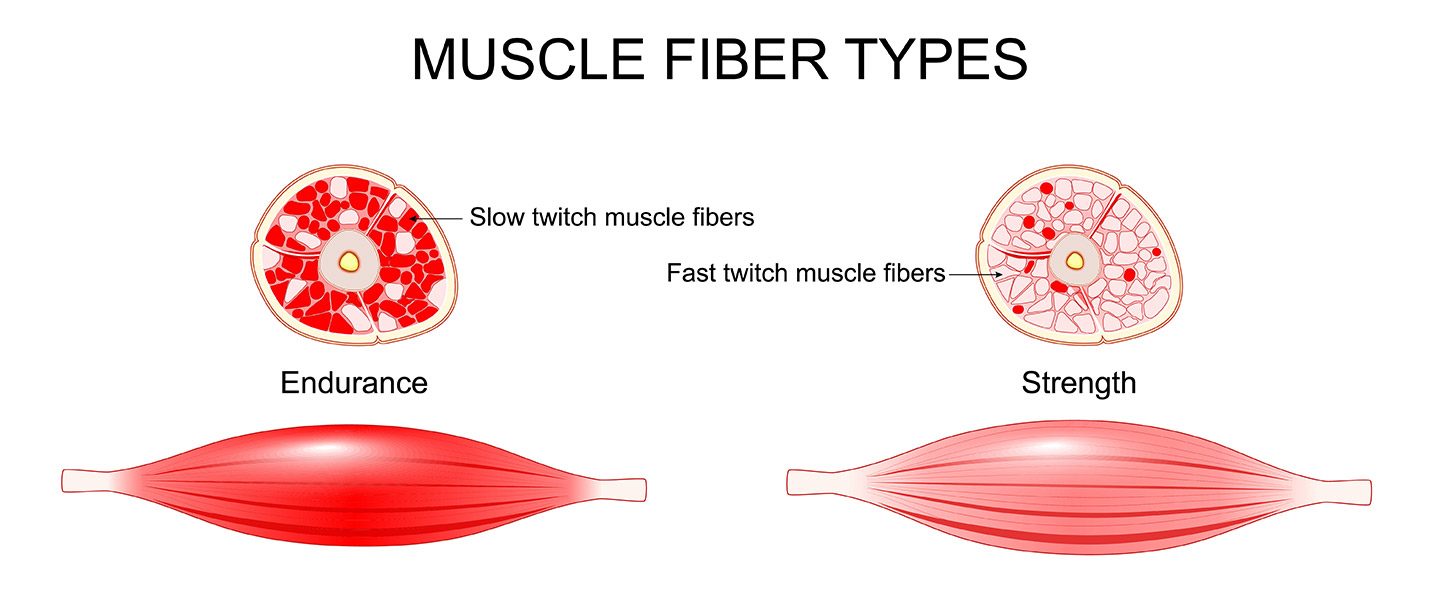
Meaningful gains in sprint speed and jump height come from a combination of maximal strength training, plyometric (reactive) training and technique work — not from doing more sprints or jumps alone. Most people plateau because they’re missing the underlying strength that lets the nervous system and muscles produce more force, faster.
What this means
Speed and jump height both come down to how much force you can produce, and how quickly you can produce it. Training only the skill (sprinting, jumping) without building the underlying strength eventually hits a ceiling.
Why do I plateau despite sprinting or jumping more?
Sprinting and jumping practise the skill and provide some conditioning, but without a genuine strength base underneath them, there’s a limit to how much force you can generate — and repeating the same high-impact stimulus without variation also increases injury risk rather than continuing to drive improvement.
What improves sprint speed?
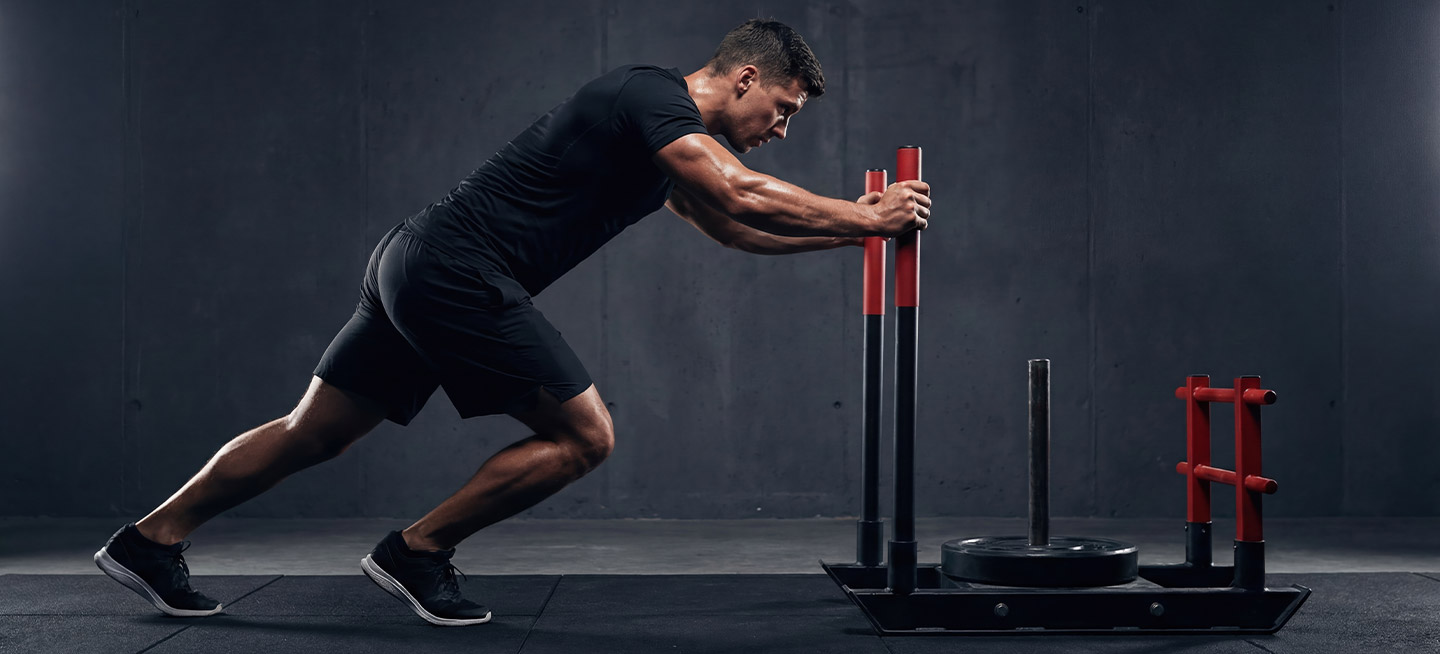
A combination of maximal strength work (squats, deadlifts, hip thrusts), plyometrics (bounds, hops), resisted sprints (sled pushes or similar), and technique coaching — arm drive, ground contact, posture — tends to produce the biggest gains, alongside genuine recovery between high-intensity sessions.

What actually improves jump height?
Similarly: strength (particularly through the posterior chain), reactive strength developed through carefully progressed plyometrics, and technique work on arm swing and countermovement depth all contribute meaningfully more than simply jumping more often.
How is this trained safely?
Progressive loading with technique prioritised before intensity, adequate rest between plyometric sessions (generally 48 hours or more), and monitoring total volume all help avoid overloading tendons — particularly the patellar and Achilles tendons — which are common casualties of poorly managed speed and power training.
What tends to aggravate progress or increase injury risk?
Too much plyometric volume introduced too quickly, poor landing mechanics, jumping into high intensity plyometrics without a strength base first, and insufficient recovery between sessions all tend to stall progress or lead to injury rather than faster gains.
What helps?
A periodised program that blends strength, power and technique work, gradual volume progression, and — where relevant — a running biomechanics assessment to identify and correct specific technical inefficiencies.
Who’s behind this advice
Reviewed by: Core Healthcare Bundall 2026
Clinic services: Sports Injuries & Performance, running biomechanics assessment, strength & conditioning
Related reading
• Does strength training slow runners down? Benefits without the bulk
• How to structure an off-season training program for your sport
• Why Am I Not Recovering Between Training Sessions? Signs You’re Under-Recovering (Not Undertraining)
Next step
Whether you’re chasing a personal best, coming back from a niggle, or just trying to stay in the game as you get older, waiting until something becomes a full injury rarely gives the best outcome. A tailored assessment identifies exactly what’s holding your performance back or putting you at risk, and gets you started on a plan built around your sport and your goals.
Book an assessment with a sports physiotherapist or exercise physiologist at your nearest Core Healthcare clinic across Brisbane, Logan, the Gold Coast and Tugun, or ask your physio about this at your next session.