

Clinical name: Youth sports injury prevention (load management and physical literacy in child and adolescent athletes)
Direct answer
Most injuries in young, growing athletes come down to training load outpacing what still-developing bones, growth plates and muscles can handle — often from playing one sport year-round without a break, rather than genuine, bad luck. Encouraging a broad base of movement skills across multiple sports, rather than early specialisation, and keeping an eye on total weekly training hours are two of the strongest evidence-based ways to reduce injury risk in kids and teens.
What this means
Growth plates are still-developing areas of bone that are more vulnerable to repetitive stress than mature bone, which is part of why overuse injuries look different in kids and teens (like Osgood-Schlatter disease — see our related article) than they do in adults.
Why are young athletes at particular risk of overuse injury?
Growth spurts create a temporary mismatch between how fast bones lengthen and how well muscles and tendons keep up, and growth plates are simply more vulnerable to repetitive load than fully mature bone.
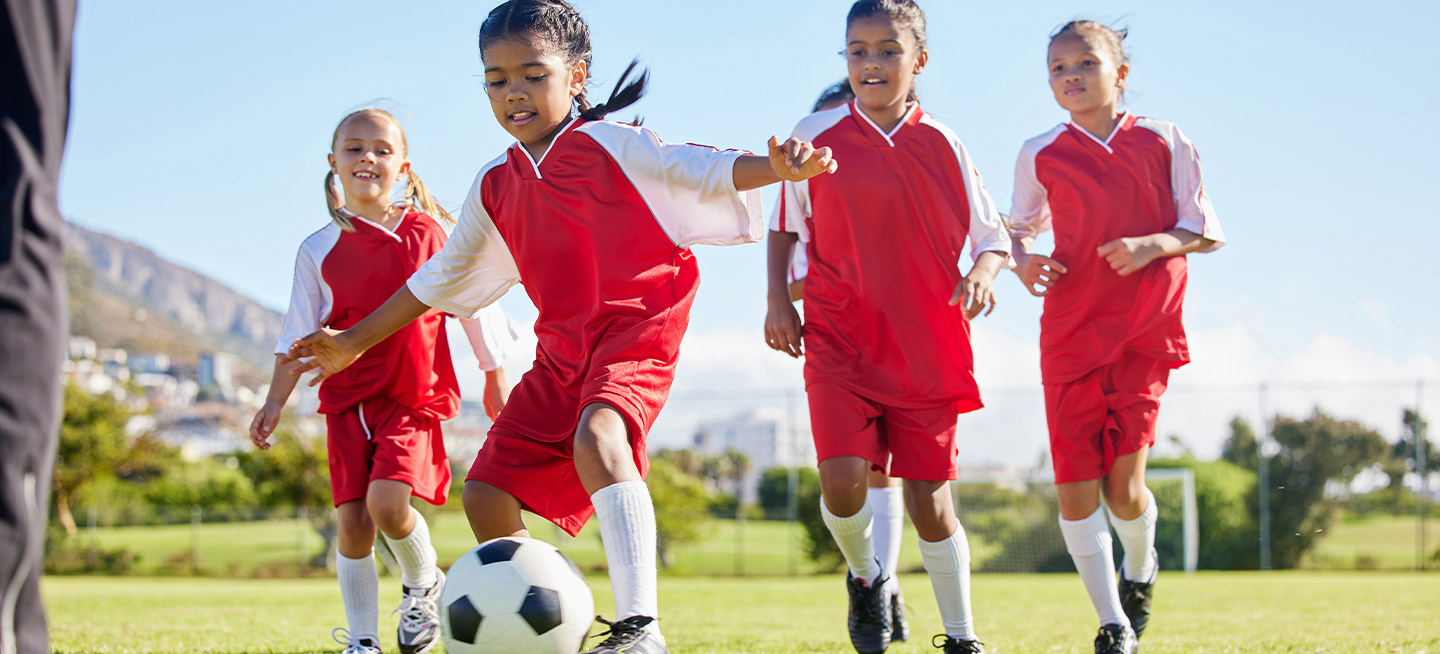
Does playing one sport year-round increase injury risk?
Yes — sports medicine guidelines commonly suggest limiting a young athlete’s primary sport to around eight months of the year and keeping weekly training hours roughly at or below their age in years (for example, an 11-year-old training no more than about 11 hours a week). Research consistently links early specialisation in a single sport with higher injury and burnout rates.
What’s the alternative to early specialisation?
Encouraging participation in multiple sports — sometimes called diversification or sport sampling — builds a broader base of movement skills (“physical literacy”), and is linked to lower injury rates, longer playing careers, and, perhaps counterintuitively, better long-term athletic outcomes than early single-sport focus.
What tends to aggravate injury risk in young athletes?
Rapid increases in training volume around growth spurts, playing the same sport across multiple teams or seasons with no genuine break, and specialising in a single sport before the mid-teen years.
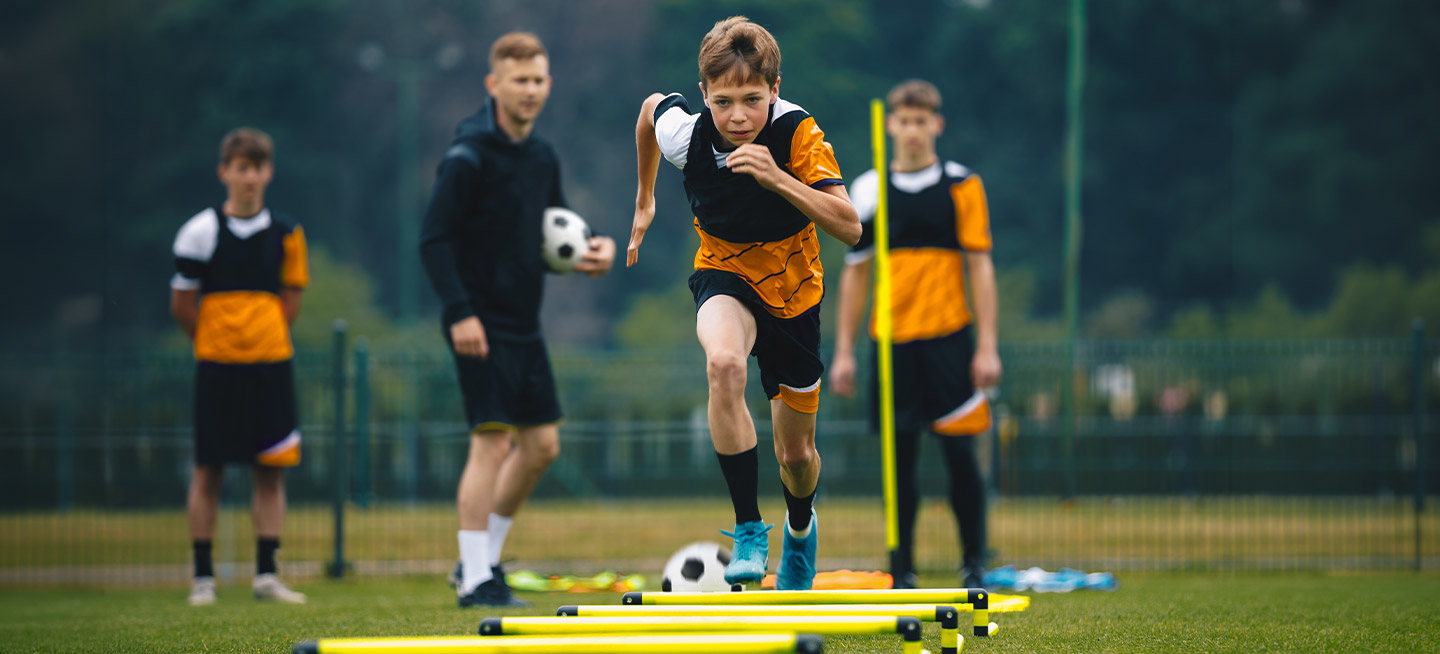
What helps reduce it?
A genuine off-season or break from a primary sport, encouraging a second sport or varied physical activity, keeping total weekly training hours in check against age, and addressing pain early rather than “playing through it.”
What does Core Healthcare offer for young athletes specifically?
Junior athlete rehabilitation is run by clinicians experienced across a wide range of junior sports, alongside concussion assessments for young athletes — see our related article on returning to sport after a concussion.
Who’s behind this advice
Reviewed by: Core Healthcare Bundall 2026
Clinic services: Sports Injuries & Performance, running biomechanics assessment, strength & conditioning
Related reading
• Why does my child have a painful bump below the kneecap? (Osgood-Schlatter disease)
• How to prevent repetitive and overuse injuries
• Why Am I Not Recovering Between Training Sessions? Signs You’re Under-Recovering (Not Undertraining)
Next step
Whether you’re chasing a personal best, coming back from a niggle, or just trying to stay in the game as you get older, waiting until something becomes a full injury rarely gives the best outcome. A tailored assessment identifies exactly what’s holding your performance back or putting you at risk, and gets you started on a plan built around your sport and your goals.
Book an assessment with a sports physiotherapist or exercise physiologist at your nearest Core Healthcare clinic across Brisbane, Logan, the Gold Coast and Tugun, or ask your physio about this at your next session.