
Clinical name: Referred buttock pain of spinal or sacroiliac origin; coccygeal pain (coccydynia)
Direct answer
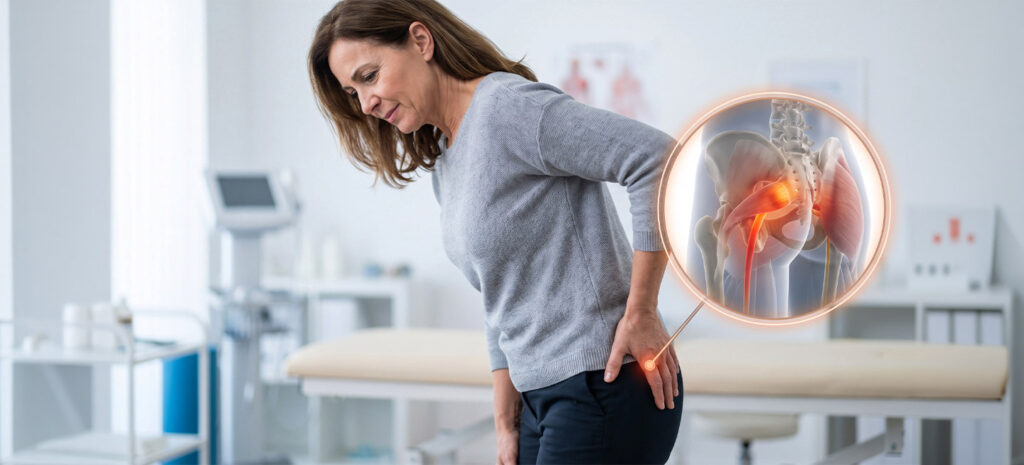
Buttock pain that doesn’t seem to be coming from a specific injury to the area itself can be referred pain — originating from the lower back, the sacroiliac joint, or deep muscles such as the piriformis. Pain around the coccyx (tailbone) can also occur alongside lower-back, pelvic or sacroiliac problems, although true coccygeal pain is usually felt directly over or around the tailbone. Telling these causes apart matters, since the right treatment depends on where the pain is actually coming from.
What this means
“Referred pain” means pain is felt in one area of the body while the actual source of irritation is somewhere else. Structures in the lower back or pelvis can refer pain into the buttock, making it easy to mistake for a local muscle, hip or tailbone problem.
Coccygeal pain, also called coccydynia, is pain felt at the very bottom of the spine around the coccyx. It is commonly aggravated by sitting, particularly on a firm surface, leaning backwards while sitting, or getting up from a seated position.
Prolonged sitting (especially on soft surfaces), standing on one leg, and repetitive bending or twisting tend to aggravate referred buttock pain from the spine or sacroiliac joint. Addressing the actual source — whether that’s the lower back, the sacroiliac joint, or piriformis tightness — rather than simply stretching or massaging the buttock itself, is what resolves it.
What are the most common spinal sources of buttock pain?
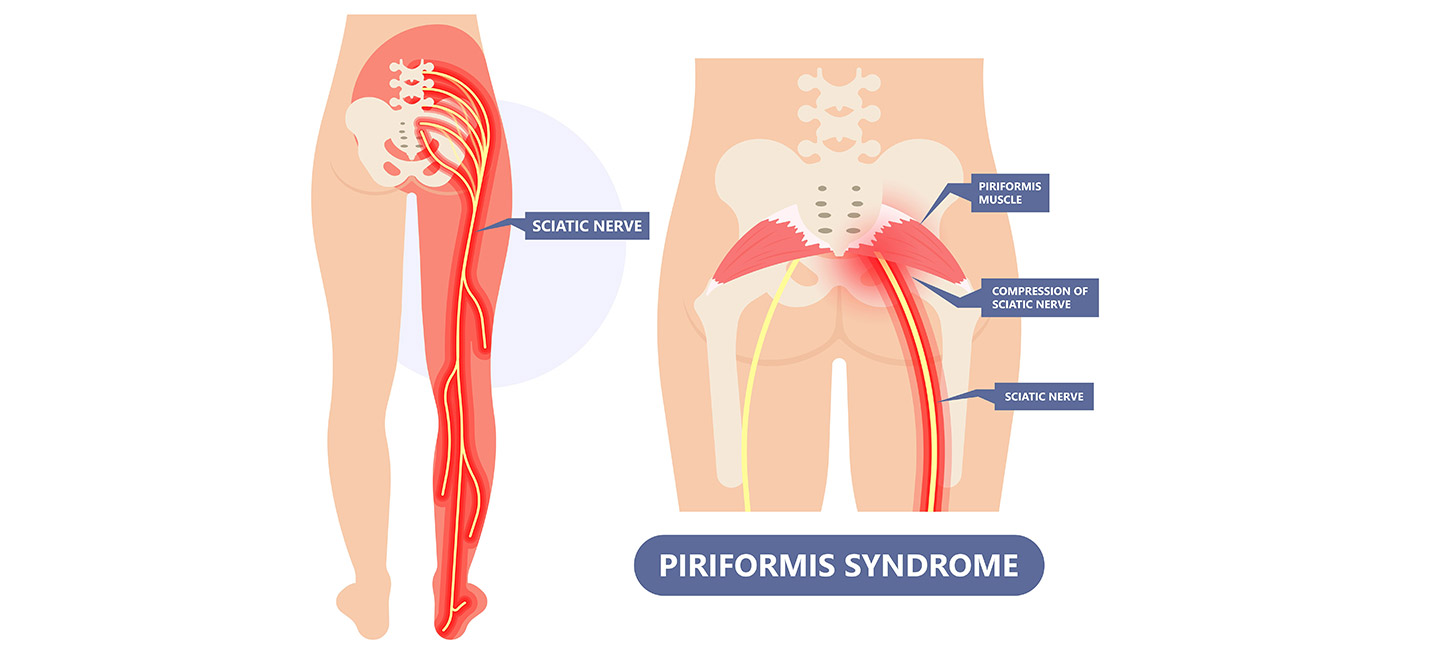
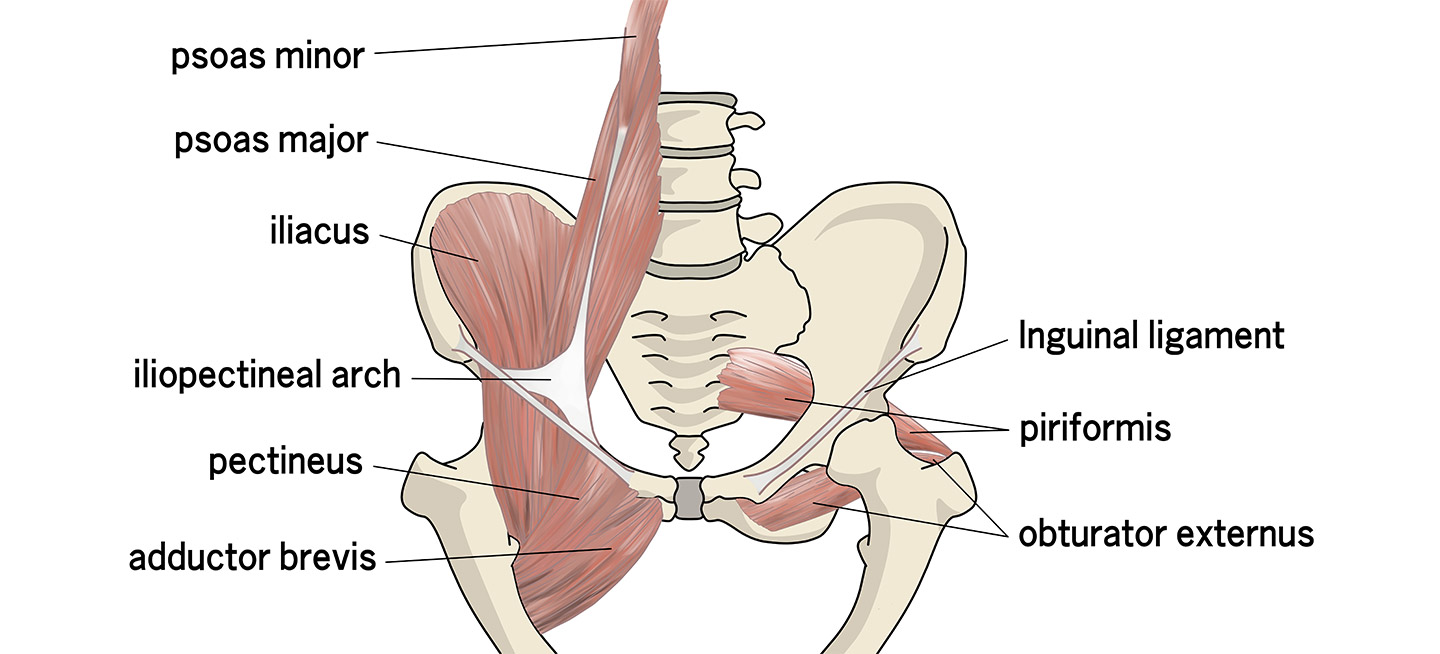
The lumbar spine’s facet joints and discs can refer pain into the buttock without any leg symptoms at all. The sacroiliac joint (where the spine meets the pelvis) commonly refers pain into one buttock, while piriformis-related irritation can cause deep, aching buttock pain, sometimes with mild leg symptoms.
Pain from the coccyx is usually more localised to the tailbone, although surrounding buttock or pelvic pain can occur at the same time.
How is this different from a hip or coccyx problem?
Hip joint pain is more commonly felt in the groin or side of the hip and is typically aggravated by hip-specific movements such as putting on socks or shoes, deep squatting, or rotating the leg.
Spinal or sacroiliac-referred buttock pain is more often aggravated by back-specific movements or positions, prolonged sitting, standing on one leg, or bending.
Coccygeal pain is more specifically aggravated by sitting, leaning backwards, rising from a chair, or direct pressure around the tailbone. A recent fall directly onto the buttocks or coccyx also makes a local coccygeal injury more likely.
What tends to aggravate it, and what helps ease it?
Prolonged sitting, especially on firm or poorly supportive surfaces, standing on one leg, and repetitive bending or twisting can aggravate referred buttock pain.
Coccygeal pain is particularly sensitive to prolonged sitting and direct pressure on the tailbone. Changing sitting position, using an appropriate coccyx cushion, and temporarily reducing activities that place direct pressure on the area may help.
Addressing the actual source — whether that’s the lower back, sacroiliac joint, coccyx, or a deep muscle such as the piriformis — is more useful than simply stretching or massaging the buttock itself.
How is the source identified?
A physiotherapy assessment uses specific movement, neurological and provocation tests to help determine whether the pain is coming from the lumbar spine, sacroiliac joint, coccyx, hip, or a local muscle source. The location and behaviour of the pain, including what happens with sitting and spinal or hip movements, are important clues.
How is it treated once the source is identified?
Treatment is targeted to the actual source. Spinal-referred pain is generally managed similarly to other forms of lower-back pain; sacroiliac-related pain may respond to pelvic stability, movement-control and strengthening exercises; and piriformis-related symptoms may improve with appropriate stretching, strengthening and load management.
For coccygeal pain, treatment may include modifying sitting posture and pressure, addressing contributing pelvic or spinal movement patterns, and using specific exercises or manual treatment where appropriate.
Who’s behind this advice
Reviewed by: Core Healthcare Banyo 2026
Clinic services: Assessment and diagnosis of back pain and related symptoms (including leg, buttock and pelvic pain); manual therapy; individualised treatment and management planning based on your assessment findings; Pilates-based rehab classes, strengthening and exercise rehabilitation, including musculoskeletal and sports rehab; posture and workstation advice; women’s health physiotherapy for pregnancy-related back and pelvic pain.
Related reading
• Pain shooting down my leg from my back — is this sciatica?
• One-sided lower back or hip pain — what could be causing it?
• Lower back pain — when should I worry?
Next step
Back pain that’s left to “settle on its own” often takes longer to resolve and comes back more easily than back pain that gets an early, targeted assessment. A proper assessment identifies exactly what’s driving your symptoms and gets you started on a specific plan — not just advice to rest and see how it goes. Book a back assessment with a physiotherapist at any of Core Healthcare’s seven clinics across Brisbane, Logan, the Gold Coast and Northern NSW, or ask your physio about this at your next session.