

Clinical name: Sex-based differences in ACL injury risk and prevention
Direct answer
Female athletes are consistently shown in research to be at higher risk of ACL injury than male athletes in comparable sports — commonly cited as two to eight times higher risk, depending on the sport and study — largely due to differences in landing mechanics, muscle activation patterns, and hormonal factors rather than any lack of ability or effort. The encouraging news is that targeted neuromuscular training programs meaningfully close this gap.
What this means
The increased risk isn’t about female athletes being less capable — it reflects measurable biomechanical differences (such as a tendency toward greater inward knee movement during landing), hormonal influences on ligament laxity, and historically less access to structured strength and conditioning support in female sport pathways.
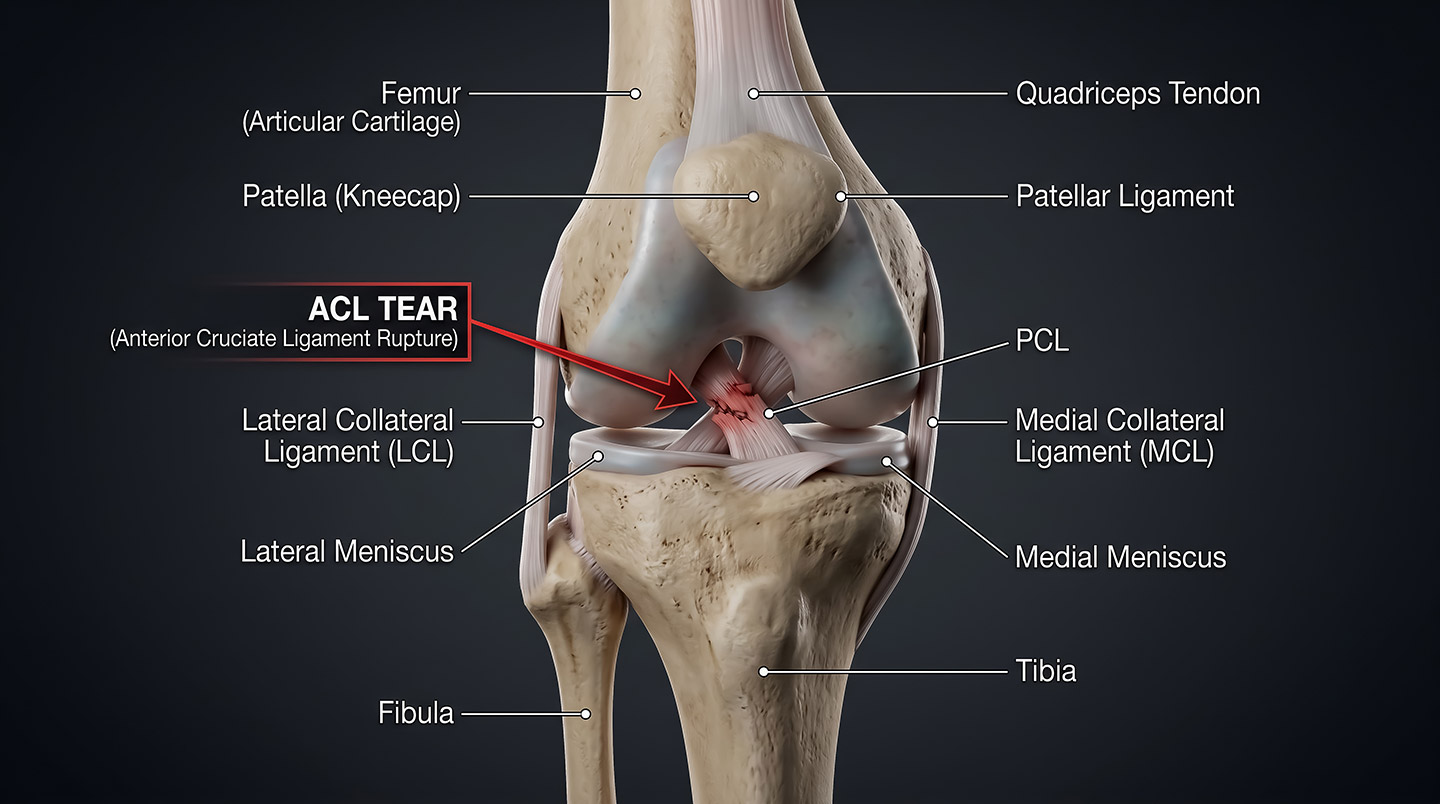
How much higher is the risk, really?
Multiple studies place the relative risk at two to eight times higher for female athletes compared with male athletes in the same or comparable sports, with the highest rates seen in soccer, basketball, gymnastics and netball-type sports. In Australian Rules Football specifically, research comparing the men’s and women’s competitions found female players had around six times the ACL injury risk of male players once playing exposure was accounted for, and one Victorian study found ACL injury rates rose by nearly 150% over a ten-year period.
Why is the risk higher?
Contributing factors researchers have identified include a tendency toward greater inward knee collapse (dynamic knee valgus) during landing and cutting, differences in hip and core strength and control, hormonal fluctuations across the menstrual cycle that may temporarily affect ligament laxity, and — importantly — female athletes historically being less likely to have access to a structured strength and conditioning program as part of their sport, compared with male counterparts in similar pathways.
Does training reduce this gap?
Yes — a meta-analysis of neuromuscular training programs in female team-sport athletes found ACL injury risk was reduced by around 50% with consistent training, and other research shows the biggest protective effect occurs when this kind of training starts in adolescence, before risky movement patterns become deeply ingrained.
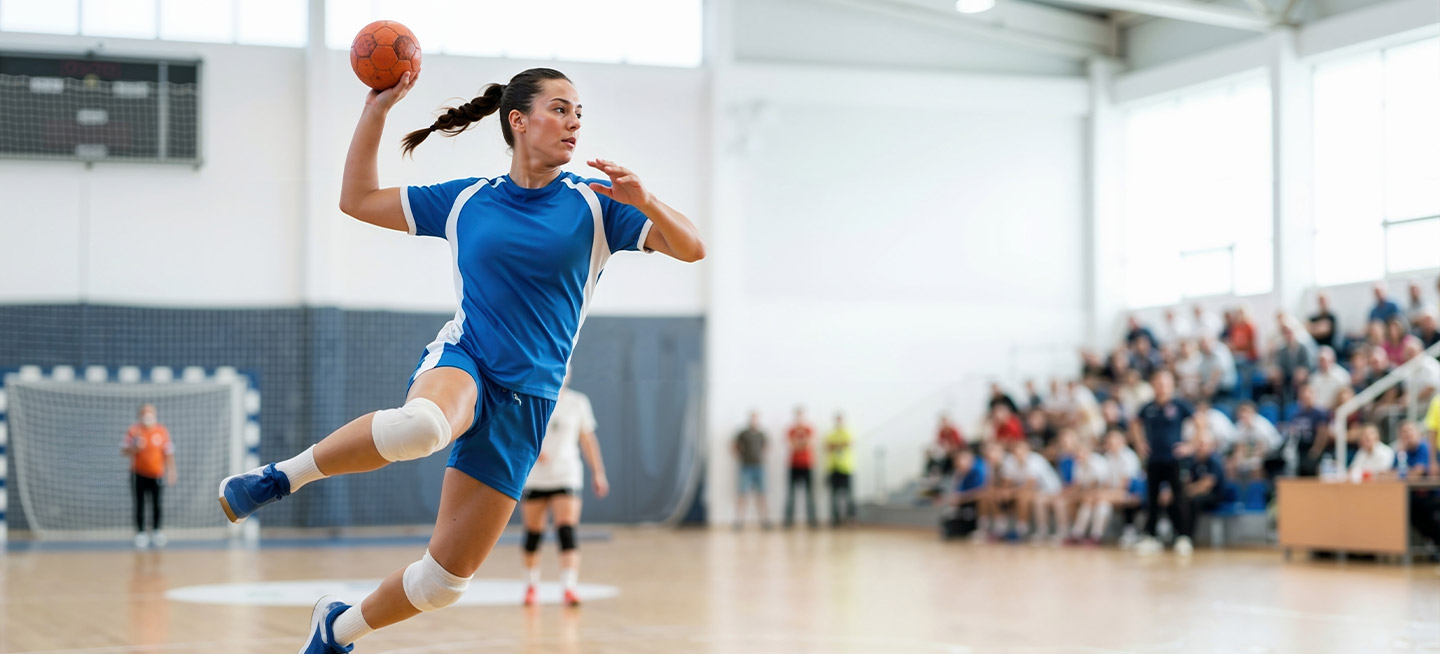
What does an effective program include?
Strength work for the hips, glutes and hamstrings, landing and jump-technique training, balance and agility drills, and education on movement patterns to avoid under fatigue — see our related article on ACL injury prevention for the specifics of what these programs involve.
Are there other training considerations specific to female athletes?
Yes — factors like relative energy deficiency in sport (RED-S), where inadequate nutrition relative to training load can affect bone health, hormonal function and injury risk, and training adjustments across the menstrual cycle are increasingly recognised as relevant to female athlete health and performance and are worth discussing with a physiotherapist or exercise physiologist experienced in this area, including our women’s health physiotherapy service.
What if I’ve already had an ACL injury?
Female athletes are also shown in research to have higher rates of a second ACL injury — to either knee — after returning to sport, alongside somewhat slower and more cautious returns to full confidence in the knee. A structured, criteria-based return-to-sport program, rather than a fixed timeline, is particularly important here — see our related article on ACL injury symptoms and treatment.
Who’s behind this advice
Reviewed by: Core Healthcare Bundall 2026
Clinic services: Sports Injuries & Performance, running biomechanics assessment, strength & conditioning
Sources: AOSSM, ACL Injuries in Female Athletes: Risk & Prevention; Bone & Joint Journal, Anterior cruciate ligament injuries in female athletes: risk factors and strategies for prevention; International Journal of Sports Physical Therapy, Why Female Athletes Injure Their ACLs More Frequently
Related reading
• How to prevent an ACL injury before it happens
• What are the symptoms of an ACL injury, and what’s the best treatment?
• Does strength training slow runners down? Benefits without the bulk
• Why Am I Not Recovering Between Training Sessions? Signs You’re Under-Recovering (Not Undertraining)
Next step
Whether you’re chasing a personal best, coming back from a niggle, or just trying to stay in the game as you get older, waiting until something becomes a full injury rarely gives the best outcome. A tailored assessment identifies exactly what’s holding your performance back or putting you at risk, and gets you started on a plan built around your sport and your goals.
Book an assessment with a sports physiotherapist or exercise physiologist at your nearest Core Healthcare clinic across Brisbane, Logan, the Gold Coast and Tugun, or ask your physio about this at your next session.